Mansa Musa Statue - Mali - Bamako
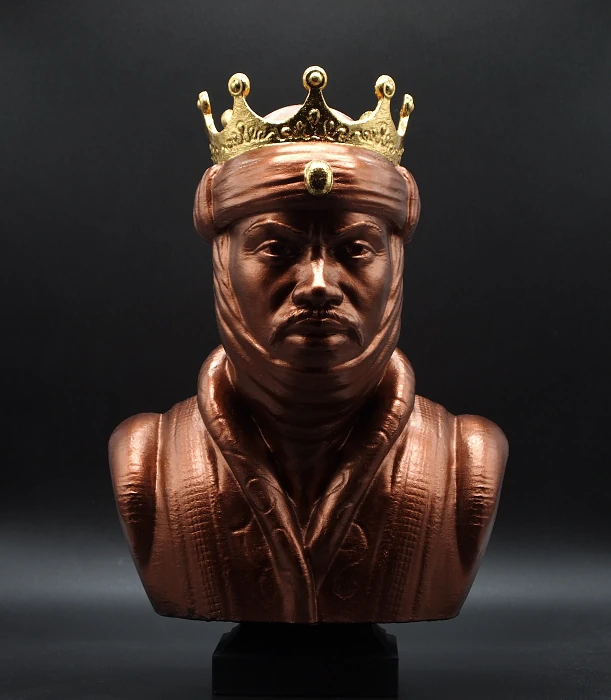
Bamako, the capital of Mali, is a vibrant and culturally rich metropolis located in the heart of West Africa. This city is not only the administrative and economic center of modern Mali but also carries the legacy of a deep-rooted history and a legendary empire: the Mali Empire. The ruler who brought this empire to its most magnificent period and is considered the wealthiest person in world history is Mansa Musa. Although there is no massive statue directly dedicated to Mansa Musa in Bamako, the city's various monuments, museums, and public spaces keep the spirit of this great emperor and his golden age alive.
Mansa Musa was a leader who reigned in the 14th century and brought the Mali Empire to its peak. His era was a time when West Africa experienced great prosperity and cultural development thanks to the gold and salt trade. Mansa Musa's name is written in gold letters in world history, especially with his legendary pilgrimage (Hajj) in 1324. Beyond being just a religious duty, this journey was a diplomatic and economic display that announced the wealth and power of the Mali Empire to the entire world. As the modern representative of this rich heritage, Bamako continues to keep Mansa Musa's inspiring story alive. It is possible to find traces of this great emperor in the city's streets, museums, and monuments.
Mansa Musa: The Wealthiest Ruler in History and the Rise of the Mali Empire
Mansa Musa was born around 1280 and ascended the throne as the ninth ruler of the Mali Empire between 1312 and 1337. This emperor, whose full name was Kankou Musa, turned the already powerful Mali Empire into the largest and most influential state in West Africa upon his accession. According to current estimates, Mansa Musa's wealth exceeded 400 billion dollars, making him the wealthiest person in history. The primary source of this wealth was the vast gold and salt mines controlled by the empire. Thanks to the control of Trans-Saharan trade routes, Mali was in intense commercial relations with Europe and the Middle East.
Mansa Musa's reign is remembered not only for economic prosperity but also for cultural and intellectual development. He turned cities like Timbuktu and Gao into centers of science, art, and education. In particular, Sankore University in Timbuktu became one of the most important educational institutions of the period, with students and scholars flocking here from all over the world. He made great contributions to the spread of Islamic culture and science by building mosques, libraries, and madrasas. Mansa Musa is also known as a just ruler. He ensured peace and order in his empire and emphasized the rule of law. The monuments and cultural heritage in Bamako ensure that this great emperor is remembered not only for his wealth but also for his vision and leadership qualities.
Traces in Bamako: Monuments, Museums, and Cultural Heritage
Although Bamako does not host a direct statue of Mansa Musa, many monuments and institutions in the city honor the legacy of the Mali Empire and its great ruler. Structures such as the Independence Monument (Monument de l’Indépendance) and the Peace Monument (Monument de la Paix) located in the city center symbolize modern Mali's struggle for independence and national identity, while also making references to the great imperial tradition of the past. These monuments show the Malian people's commitment to their deep-rooted history and cultural values.
The National Museum of Mali (Musée National du Mali) is an important institution that showcases the rich history and cultural heritage of the Mali Empire, including the era of Mansa Musa. Through artifacts, manuscripts, art objects, and depictions from the period, the grandeur of Mansa Musa and his empire is conveyed to visitors. This museum plays a vital role in preserving Mansa Musa's cultural and artistic legacy and passing it on to future generations. Mansa Musa's name and legacy are also commemorated in various ways in public spaces and educational institutions in Bamako. This shows that Mansa Musa is more than just a historical figure; he is an important part of modern Malian identity and national pride.
Date Added: