Jose Laurel Statue – Philippines – Manila
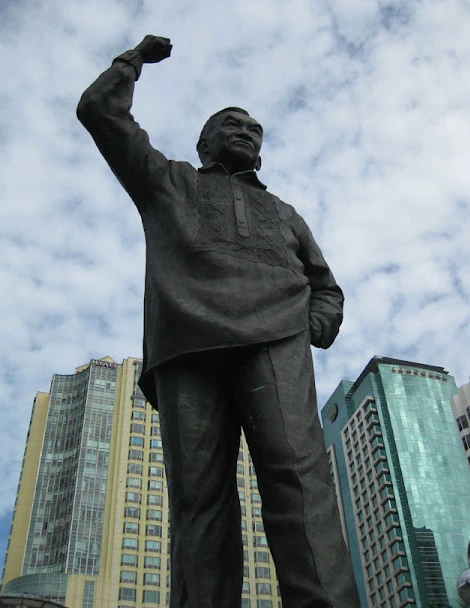
In the historic streets of Manila, in the shadow of Intramuros bearing the traces of the Spanish colonial era and among the modernist structures of the American period, a monument rises dedicated to one of the most controversial and complex figures in Philippine history: the Jose Laurel Statue. Jose Laurel, who entered history as a lawyer, politician, and president during the occupation period, remains a name that is still subject to deep debate in Philippine historiography. The statue dedicated to him continuously makes this controversial legacy visible in the midst of Manila's daily life, serving as a silent yet powerful witness that brings the complexity of the past into contact with the present.
Jose Laurel's Life and Political Career
Jose Paciano Laurel y Garcia was born in 1891 in the province of Batangas. Having completed his legal education both in the Philippines and in the United States, Laurel emerged as one of the best-educated Filipino lawyer-politicians of his era. Holding a doctorate in law from Yale University, Laurel successfully combined his academic background with his political career. Having taken an active role in Philippine politics from the 1920s onward, Laurel served in important positions including senator, secretary of justice, and associate justice of the Supreme Court.
The most historically defining period of Laurel's life coincides with the years of Japanese occupation. With Japan's occupation of the Philippines during World War II (1942), the Japanese administration sought to establish a puppet Philippine government. In this process, Laurel took part in the Japanese-backed Philippine Executive Commission and ultimately served as president of the Japanese-backed Second Philippine Republic from 1943 to 1945. This period remains the fundamental factor that makes Laurel's historical legacy controversial to this day.
The Statue's Integration with Manila's History
Manila is the city where the Philippines' historical memory is most densely accumulated and most intricately woven. The Spanish colonial period, American administration, Japanese occupation, and the post-independence era have each left different marks on every corner of the city. Within this complex and multilayered history, the Jose Laurel Statue constitutes an extremely important reference point, particularly for understanding the occupation period. The statue not only honors Laurel but also functions as a cultural stimulus that prompts reflection on universal themes such as war, occupation, collaboration, and resistance.
For visitors to Manila who wish to gain a deep understanding of Philippine history, the Jose Laurel Statue is an important stop on the historic route stretching from Intramuros to Rizal Park. Together with the other historic structures and monuments located near the area where the statue stands, the holistic experience created offers an unparalleled opportunity to comprehensively grasp Manila's multilayered historical fabric.
Laurel's Cultural and Academic Legacy
Jose Laurel's legacy lives on not only in the political sphere but in the cultural and academic spheres as well. The Lyceum of the Philippines University, which bears his name, continues to operate today as one of the Philippines' leading institutions of higher education. Laurel's works on law and governance hold an important place in Philippine legal literature. Scholars and historians continue their work aimed at unraveling Laurel's complex legacy, and each new study illuminates this controversial figure from a different perspective. This vibrant academic interest is the clearest indication of how profound and how multilayered Laurel's place in Philippine history truly is.
Date Added: