Francisco Morazan Statue - Honduras Tegucigalpa
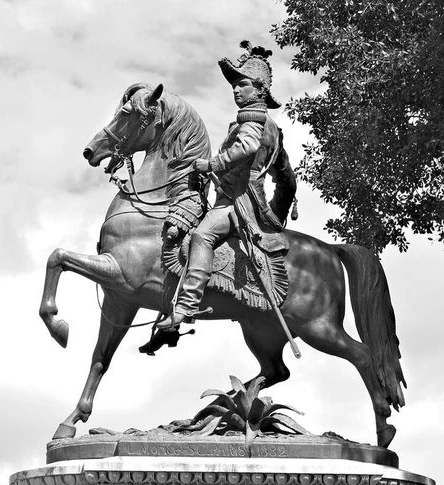
In Tegucigalpa, the capital of Honduras—set within the mountainous and lush landscape of Central America—stands a statue dedicated to the architect of the region's greatest dream of unity: Francisco Morazán. Known as the "Simón Bolívar of Central America," this legendary leader was not merely a military commander; he passed into history as a visionary who dedicated his life to the ideal of uniting Central America under a single banner, laying the institutional foundations of the modern state, and shaping the political future of the region. The Statue of Francisco Morazán in Tegucigalpa etches this profound and multi-layered legacy into the heart of the city, serving as a symbolic landmark of deep significance for both Hondurans and the people of the region. Today, Morazán’s name and ideals remain vibrant in Central American political discourse and the ongoing search for national identity.
Who is Francisco Morazán: His Life and Ideal
Francisco Morazán was born in 1792 in Tegucigalpa. Primarily self-taught without a formal education, Morazán distinguished himself from a young age through his political and military talents. Following Central America's independence from Spain in 1821, the region quickly began to grapple with internal conflicts and political instability. In this chaotic environment, Morazán believed that Central America could only achieve true independence and prosperity under a united and strong federal structure. This conviction became the primary motivation for his entire political and military life.
In 1830, Morazán was elected President of the Federal Republic of Central America, where he stood out as the most determined advocate for liberal reforms. His initiatives to limit the political power of the clergy, expand education, and strengthen modern state institutions sparked fierce opposition from conservative and ecclesiastical circles. These internal conflicts and regional separatist movements gradually weakened the federal structure. In 1842, while attempting to restore Central American unity after returning from exile, Morazán was captured and executed in Costa Rica. His final words remain etched in history as the most powerful testament to the deep faith he held in this great ideal.
The Statue's Location and the Historical Fabric of Tegucigalpa
The Statue of Francisco Morazán rises in Plaza Morazán, the most central and symbolic area of Tegucigalpa. Surrounded by the city's historic cathedral and colonial-era buildings, this square is one of the points where Honduras' political and historical memory is most intensely felt. This strategic positioning transforms the statue from a mere tourist attraction into an inseparable part of the city’s daily life and collective memory.
As both the capital and largest city of Honduras, Tegucigalpa serves as the country’s political, cultural, and economic hub. Built upon a mountainous terrain, the city offers a unique atmosphere with its colonial-era structures and modern urban fabric. Within this setting, the Statue of Francisco Morazán symbolizes not just a national hero, but the very ideal of unity and freedom for Central America. The area surrounding the statue becomes one of the most important gathering points for Hondurans during national holidays and official commemorative ceremonies.
Artistic and Symbolic Features of the Statue
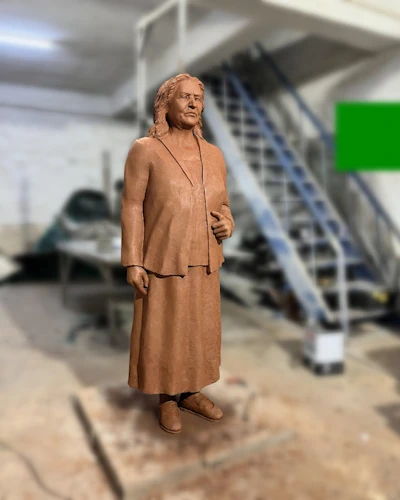
The Statue of Francisco Morazán stands out as one of the most powerful examples of Central American sculptural art. Depicted in military uniform with symbolic elements of the era, Morazán reflects both his military leadership and political vision simultaneously. The figure's posture carries a strong expression of determination, commitment to his ideals, and a deep love for his people. Inscriptions on the pedestal offer information regarding the turning points of his life and his vision for Central American unity. While the overall design creates a monumental impact, it strongly highlights Morazán's dual identity as both a warrior and a statesman.
The symbolic power of the statue stems not just from its physical attributes, but from Morazán's deep historical resonance in the collective memory of the Central American people. His ideal of unity continues to serve as a point of reference in the region’s political debates today. Standing before this statue means more than just honoring a leader; it is an opportunity to reconnect with Central America’s greatest and most enduring unfulfilled dream.
Importance for Tourism and Cultural Heritage
As one of the most significant tourist destinations in Honduras, Tegucigalpa welcomes thousands of domestic and foreign visitors each year. Alongside its colonial-era architecture, historic cathedrals, and surrounding natural beauty, the Statue of Francisco Morazán constitutes one of the most important stops on the city’s historical tourism trail. For visitors particularly interested in Central American history, Latin American independence movements, and the experiments of federal states, the statue offers a deeply meaningful and moving experience. The commemorative ceremonies held every year on the anniversaries of Morazán’s birth and death transform the statue into a living venue for cultural engagement. Blending Honduras’ rich historical heritage with the unique atmosphere of Tegucigalpa, this monument leaves a lasting impression on every traveler who visits the city.
Date Added: