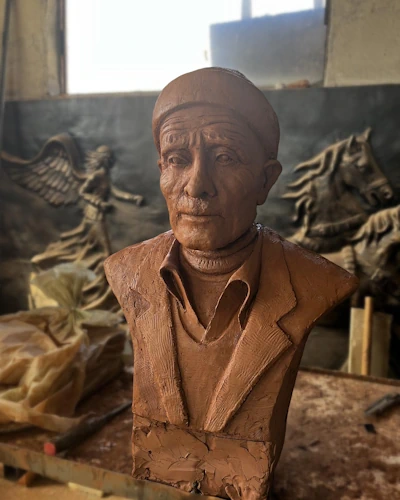
David IV Statue - Georgia Tbilisi
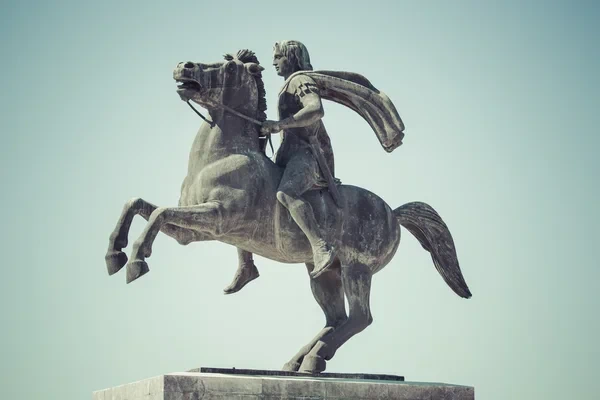
In the heart of Tbilisi, the capital of Georgia, on the banks of the Mtkvari River and within the historic fabric of one of the Caucasus's most ancient cities, stands the statue of one of the greatest rulers in Georgian history: King David IV. Known by the epithet "the Builder," this legendary monarch was not only a military genius but also a state founder, a reformer, and the most powerful symbol of Georgian national identity, reigning in the hearts of his people for centuries. The David IV Statue in Tbilisi stands tall as one of the most powerful means of engraving this multi-layered legacy onto one of the city's most prestigious landmarks and passing it on to future generations. The name of this great leader who built Georgia's most glorious era continues to live on today in the streets of Tbilisi, in school textbooks, and in the collective memory of the Georgian people.
The Life of King David IV and His Contributions to Georgia
King David IV was born in 1073 and ruled Georgia for approximately forty years until his death in 1125. When he ascended to the throne, the country was mired in deep chaos and fragmentation caused by Seljuk raids. Despite his young age, David demonstrated extraordinary statesmanship, first establishing internal unity and then building a powerful army that gradually drove the Seljuks back from Georgian territory. The Battle of Didgori in 1121 is regarded as the greatest military victory in Georgian history. In this battle, the Georgian army under David's command inflicted a crushing defeat on the vastly superior Seljuk forces, and this victory proclaimed Georgia's rise to the entire Caucasus.
The achievements of David IV were not limited to the military sphere. Church reforms, innovations in education, and the strengthening of the centralized state structure are his most enduring legacies in domestic policy. By founding the Gelati Monastery and creating one of the most important centers of learning and culture of the era, David made Georgia one of the leading powers of the region not only politically but intellectually as well. His recapture of Tbilisi from the Seljuks in 1122 and its establishment as the capital represents the pinnacle of his leadership. Following this conquest, Tbilisi transformed into one of the most cosmopolitan and vibrant cities in the Caucasus.
The Location of the Statue and the Historic Fabric of Tbilisi
The David IV Statue rises in one of the most central and symbolic areas of Tbilisi. With its position close to Narikala Fortress, the historic citadel of the city, the statue enters into an organic dialogue with Georgia's past. This area on the banks of the Mtkvari River is among the most frequented routes by both locals and tourists visiting the city. The wide square surrounding the statue transforms into a vibrant meeting point for families, travelers, and locals during the evening hours.
Tbilisi is a unique city that has hosted countless civilizations throughout its millennia-long history, imprinting this rich past onto its urban fabric. Within this cosmopolitan identity shaped by the narrow streets of Old Tbilisi, Armenian churches, Muslim mosques, and Orthodox cathedrals, the David IV Statue represents the most powerful symbolic narrative of Georgian national identity. Situated at this special point where the city's historic and modern fabric intersect, the area offers visitors both an aesthetic and historical experience.
Artistic and Symbolic Features of the Statue
The David IV Statue has been brought to life with a powerful craftsmanship that reflects the Georgian artistic and cultural tradition. The figure's stance has been designed in a balance that simultaneously conveys military victory, political maturity, and deep devotion to his people. Depicted in royal attire and with the symbolic elements of his era, David embodies both a commitment to cultural roots and a timeless leader identity. The inscriptions on the base offer concise yet meaningful information about his place in Georgian history and the values he brought to the country. The choice of materials and the overall design approach have been conceived to foreground a sense of permanence and dignity, evoking a powerful feeling of admiration in the viewer.
The symbolic power of the statue derives not only from its physical characteristics but also from the deep historical resonance of David IV within Georgian society. The epithet "the Builder" conveys most concisely that he was not merely a conqueror but also a constructor, a founder, and a visionary. To stand before this statue is to feel anew the spirit of Georgia's most glorious era.
Its Significance for Tourism and Cultural Heritage
Tbilisi has in recent years become one of the most popular tourism destinations in Eastern Europe and the Caucasus. In a city that welcomes millions of visitors each year with its historic fabric, unique cuisine, natural beauty, and warm-hearted people, the David IV Statue stands as one of the most important stops on this tourism route. Particularly for visitors with an interest in Georgian history and Caucasian civilizations, the statue offers one of the most important windows into the founding spirit and national identity of the country. Considered alongside Narikala Fortress, Metekhi Church, and Old Tbilisi, the David IV Statue stands out as an indispensable part of the city's historic tourism circuit.
Date Added: