Chief Pontiac Statue - Pontiac, USA
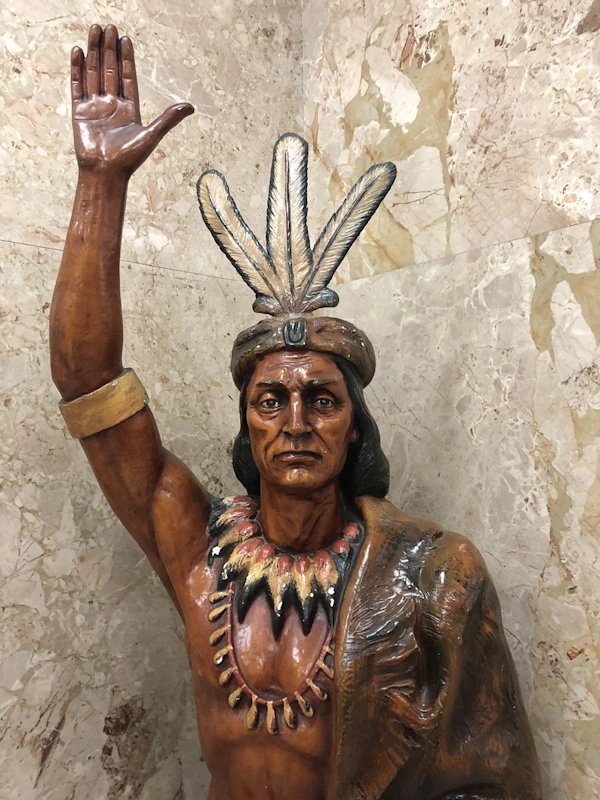
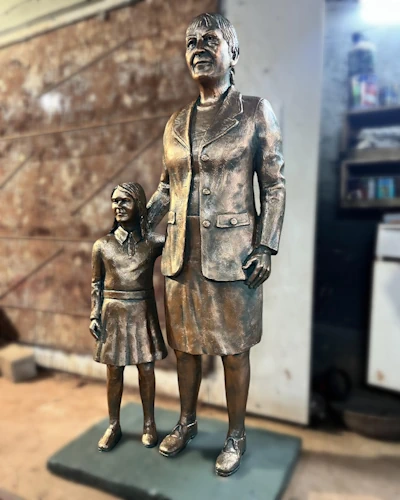
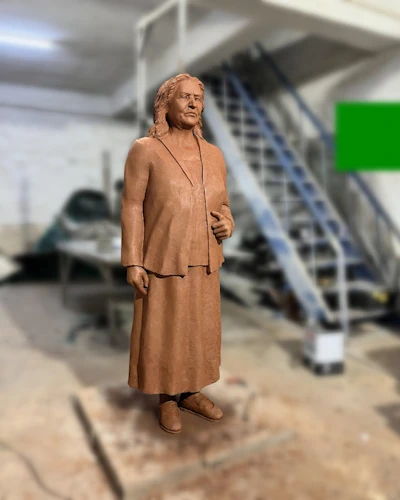
The city of Pontiac, located in Oakland County, Michigan, honors a historical figure to whom it directly owes its name. Rising in the center of the city, the Chief Pontiac statue is the most visible and permanent expression of this honoring. The statue depicts Pontiac with a powerful and determined stance, reflecting his leadership qualities. Such a representation in a public space of a name so identified with the city's founding story carries deep meaning in terms of both paying a historical debt and reinforcing urban identity. For visitors to the city of Pontiac, this statue is not just a tourist stop, but a salute to the city's raison d'être and its origins.
Who is Chief Pontiac?
Pontiac was born around 1720, most likely in the lands of present-day Ohio or Michigan. A member of the Ottawa tribe, Pontiac stood out with extraordinary leadership qualities from his youth. During the French and Indian War, he fought against British forces by forming an alliance with the French. However, the move that permanently etched his name in history was the Pontiac Rebellion, which he started in 1763 and is known by his name.
Following the end of the French-British War in 1763 with Britain's victory, the British took over French forts in the Great Lakes region. This development was the beginning of an extremely negative process for the Indigenous tribes in the region. While the French had established a relatively egalitarian trade and alliance relationship with the Indigenous peoples, the British adopted a much more rigid and demeaning attitude. Cutting off arms and supplies, increasing land pressure, and being insensitive to Indigenous culture became core elements of British policy. Against these conditions, Pontiac launched a coordinated rebellion by forming a broad alliance consisting of multiple tribes.
The Pontiac Rebellion and Its Historical Significance
The Pontiac Rebellion is considered one of the most organized Indigenous resistance movements in North American history. Coordinated attacks beginning in the spring of 1763 captured the majority of British forts in the Great Lakes and Ohio regions. The siege of Detroit was particularly noteworthy; Pontiac's forces kept the city under blockade for months. This siege deeply shook the British military officials of the period and led Britain to fundamentally question its North American policy.
One of the most important results of the rebellion was the issuance of the Royal Proclamation of 1763. This proclamation stipulated that the lands west of the Appalachian Mountains be reserved for Indigenous peoples. Although this boundary was violated numerous times in the following years, the issuance of the proclamation proves that Pontiac's leadership and military pressure created a real and measurable effect on British policy. Pontiac's leadership was not only a military success but also a demonstration of the capacity to unite different tribes around a common interest. This pan-Indigenous alliance concept served as a source of inspiration for later generations of leaders like Tecumseh.
The Relationship of the City of Pontiac with the Statue
The city of Pontiac in Michigan was founded in 1818 and took its name from Chief Pontiac. The city's bearing of this name is a rare example of acknowledging a historical debt and incorporating Indigenous heritage into city identity. The statue in the city center is the most concrete expression of this acknowledgment. Commemoration ceremonies and cultural events held in front of the statue from time to time are indicators of the effort to keep Pontiac's legacy alive.
The name Pontiac has not remained limited to just one city in Michigan's history. General Motors' legendary Pontiac automobile brand also took its name from this historical figure. Pontiac vehicles, produced from 1926 to 2010, carried this Indigenous leader's name into the daily lives of millions of Americans in a sense. However, the debate over whether this commercial use showed respect to Pontiac's legacy or instrumentalized it and turned it into an object of consumer culture is part of a broader critique regarding the commercialization of Indigenous names and imagery.
Chief Pontiac's Legacy Today
Pontiac passed away in 1769 in Illinois during an Indigenous attack whose perpetrator's identity was never fully determined. The circumstances and perpetrators of his death have still not gained clarity. The location of his grave is also unknown. This uncertainty, similar to the situation of Crazy Horse, has transformed Pontiac from a historical figure into a semi-legendary identity.
Today, Pontiac is remembered as a symbol of the Native American leadership tradition, the concept of pan-tribal solidarity, and organized resistance against colonial pressure. The Chief Pontiac statue in Michigan is the most visible and accessible expression of this legacy. Rising in the middle of the city's busy daily life, this statue—like a silent but persistent voice of the past—reminds thousands of people every day of the existence of these lands and this history. That statue is the permanent, stone-etched testimony of a name, a people, and a resistance.
Date Added: