Benjamin Harrison Statue - USA Indianapolis
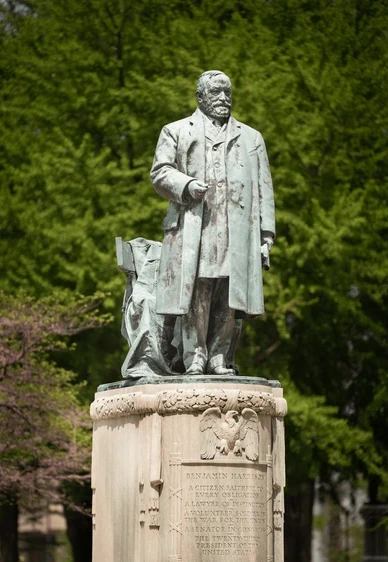
Indianapolis, the capital of the state of Indiana, holds a special historical significance as the city where Benjamin Harrison, the 23rd President of the United States, was both born and built his political career. The Benjamin Harrison statue rising in the heart of the city symbolizes more than just the memory of a president; it represents the political transformation of 19th-century America and the process of shaping national identity. This statue, which is an inseparable part of Indianapolis's historical and cultural heritage, serves as an essential stop for every tourist visiting the city.
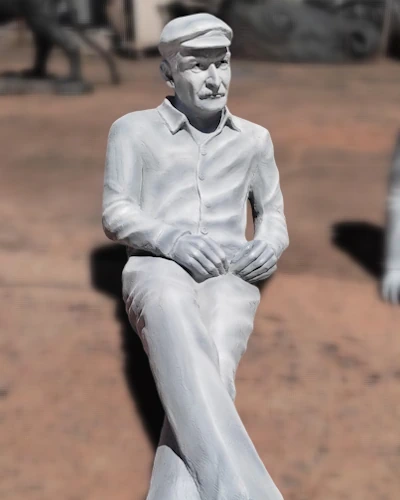
The Benjamin Harrison statue is located in the historic center of Indianapolis, near the Benjamin Harrison Presidential Site, which was Harrison's home and is now a museum. The statue depicts Harrison in the formal attire of his presidential term, with a dignified and determined stance. His facial expression reflects both his identity as a jurist and a statesman, expressing his intellectual seriousness and leadership qualities simultaneously. Inscriptions referring to Harrison's political legacy and presidency are featured on the statue's pedestal; these details lend both a historical and monumental dimension to the work.
Location and Historical Context of the Statue in Indianapolis
The Benjamin Harrison statue is positioned in one of the historically and culturally richest areas of downtown Indianapolis. Located near the statue is the Benjamin Harrison Home, built in 1874; this structure, where Harrison resided during his pre- and post-presidential periods, is open to visitors today as a national historic site. Harrison's personal belongings, political documents, and objects from his family life are exhibited in the museum within the house. When evaluated within this holistic historical environment, the statue ceases to be just a monument on its own and transforms into part of a much larger history.
Indianapolis possesses a strong historical identity shaped around Harrison's legacy. Throughout the city, there are street names, parks, and cultural venues that commemorate Harrison. Annual historical tour programs and educational events aim to pass Harrison's legacy to younger generations. For history enthusiasts visiting Indianapolis, the Benjamin Harrison statue and home constitute one of the most important stops on the city's tourist route.
Who is Benjamin Harrison: The 23rd President of America
The figure depicted by the statue is Benjamin Harrison, who was born in 1833 in the town of North Bend, Ohio. The grandson of William Henry Harrison, the 9th President of America, Benjamin Harrison settled in Indianapolis after completing his legal education and built a successful career as a lawyer. Serving as a brigade commander in the ranks of the Union army during the Civil War, Harrison became a senator for the state of Indiana after the war and began his term as the 23rd President of the United States in 1889.
Harrison's presidential term was shaped by significant developments such as America's westward expansion, the admission of six new states to the union, and the modernization of the Navy. The signing of the Sherman Antitrust Act has gone down in history as one of his most lasting legacies in economic policy. Harrison, whose term ended in 1893, returned to Indianapolis and passed away in this city in 1901. The statue in Indianapolis is the most visible expression of this deep-rooted political legacy and the city's special place in American history.
Cultural and Tourist Value
The Benjamin Harrison statue and its surroundings have become one of Indianapolis's most important cultural tourism destinations. Every year, thousands of local and foreign visitors come to the city to see Harrison's legacy on-site. The state of Indiana and the city of Indianapolis conduct various cultural and educational initiatives to keep this historical legacy alive. For academics, journalists, and history enthusiasts researching American political history, this site is an indispensable point of reference. That statue is a powerful witness carved in stone to America's transformation in the 19th century, the consolidation of national unity, and political maturation.
Date Added: