Apartheid Museum - Johannesburg, South Africa
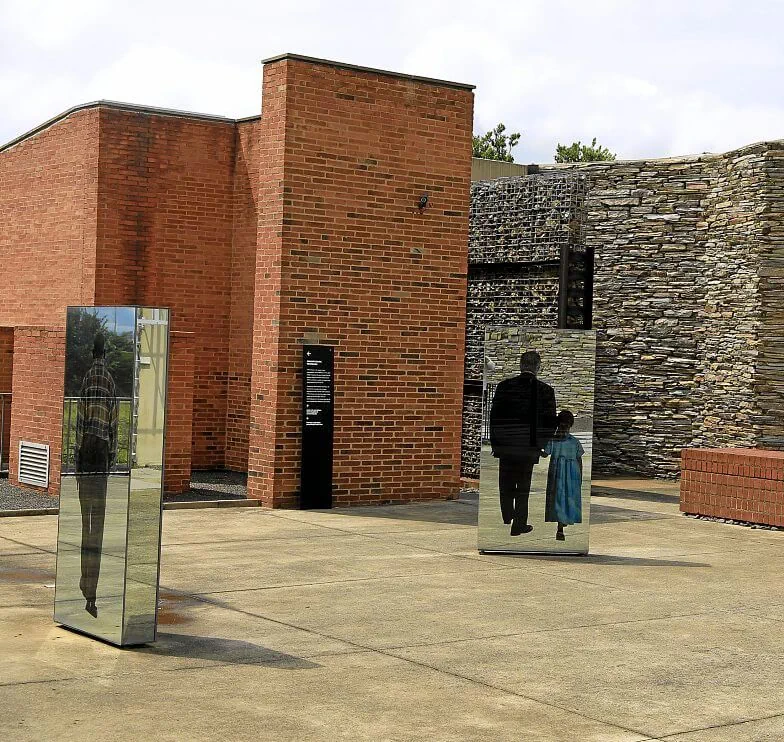
In Johannesburg, the economic capital of South Africa, near Gold Reef City in the southern part of the city and on this land carrying the most painful memories of the apartheid regime, a museum dedicated to one of the greatest moral confrontations in human history opened its doors in 2001: The Apartheid Museum. Documenting, analyzing, and passing on to future generations all dimensions of South Africa's policy of racial segregation that lasted from 1948 to 1994, this museum is not just a historical institution; it is a living manifesto dedicated to human rights, dignity, and freedom. As one of the most striking examples of museums established on similar subjects in the world, the Apartheid Museum welcomes its visitors not as passive observers but as active participants invited to question and feel.
Foundation and Background of the Museum
The birth of the Apartheid Museum is quite different from a conventional museum foundation story. The construction permit for the Gold Reef City amusement park was granted to investors by the Johannesburg Municipality on the condition that they build a museum documenting the history of apartheid. Although this condition appeared to be an administrative requirement, it ultimately led to the birth of an extraordinary institution that won great acclaim in world art and museology circles. Opening its doors in 2001, the museum quickly resonated strongly in international circles and was awarded numerous design and architecture prizes.
The design of the museum forms a philosophical integrity highly consistent with its content. In the structure built on seven pillars, each of these pillars symbolizes one of the founding values of post-apartheid South Africa: democracy, equality, reconciliation, diversity, responsibility, respect, and freedom. This conceptual design decision gives a powerful message to the visitor from the moment they enter the museum.
Museum Exhibition Concept and Immersive Experience
The most unique feature of the Apartheid Museum is an experience design that draws the visitor into history rather than keeping them as a passive observer. At the entrance, visitors are randomly issued "white" or "non-white" identity cards, and both groups are admitted to the museum through different entrances under different conditions. This simple yet incredibly powerful experience makes one feel what apartheid meant on a physical rather than theoretical level, ensuring that the rest of the museum is entered with a completely different emotional preparation. The initial shock created by this experience leaves its mark on the entire visit.
The museum's 22 exhibition halls address all dimensions of the apartheid regime both chronologically and thematically. Document archives, photo collections, film screenings, and monumental installations convey historical events in a raw and realistic way. The section dedicated to Nelson Mandela, along with a replica of his cell on Robben Island, directly confronts the visitor with that silent and dark corner of history. Audio and visual archives containing the personal testimonies of freedom fighters bring an abstract historical reality to a deeply human and personal dimension.
Museum Location and Visitor Experience
With its location in the Gold Reef City district of Johannesburg, the museum is approximately 8 kilometers away from the city center. Accessible by public transport and taxi, the museum can be included as part of a full-day Johannesburg itinerary along with the nearby Gold Reef City amusement park. Although the visit duration usually varies between two to three hours, some visitors are known to spend much longer given the depth of the collection. The museum shop offers very rich content in terms of posters and books reflecting the symbolic graphic art of the anti-apartheid struggle.
Importance for Tourism and Cultural Heritage
The Apartheid Museum is one of the highest priority places that should be on every tourist's list when visiting South Africa. Along with Soweto, Constitution Hill, and the Mandela House, the museum forms the undisputed most important stops on Johannesburg's human rights and freedom tourism route. For visitors interested in South African history, the anti-apartheid struggle, and the transition to democracy in Africa, this museum offers content with a depth that cannot be found anywhere else in the world. As the most powerful documentary evidence of anger against oppression, discrimination, and the crushing of dignity—and how this anger can evolve into a peaceful transformation—the Apartheid Museum continues to be a permanent mirror held up to the conscience of humanity.
Date Added: