
Architectural Sculptures
Mimari heykel, yapıların estetik değerini artıran ve mimari tasarımla bütünleşen sanatsal uygulamalardır. Bina cepheleri, giriş alanları, iç avlular ve kamusal yapılar için özel olarak tasarlanır. Cephe heykeli, figüratif veya soyut formlarla hazırlanan mimari heykeller, projeye uygun ölçü ve malzemelerle üretilir. Taş heykel, beton ve metal esaslı uygulamalar sayesinde yapı ile uyumlu ve kalıcı çözümler sunulur. Mimari heykel fiyatları, proje kapsamına göre belirlenir. Mimari projelere özel tasarım ve uygulama hizmeti sağlanmaktadır. Detaylı bilgi alın. Last Updated Date:
Our Works: Architectural Sculptures
-
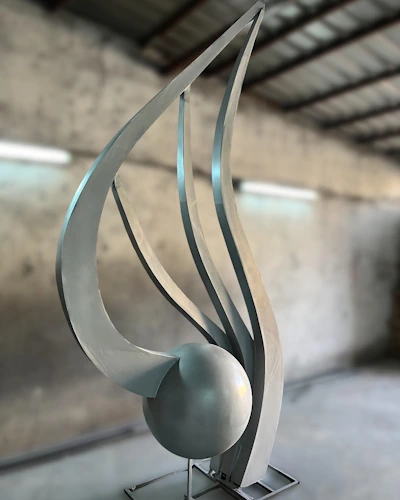
Stainless steel metal sculpture with modern flame form design -
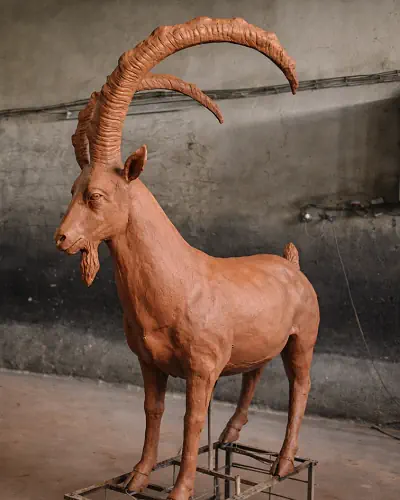
Bronze statue group of three ibex goats with large horns Goat Statue
-
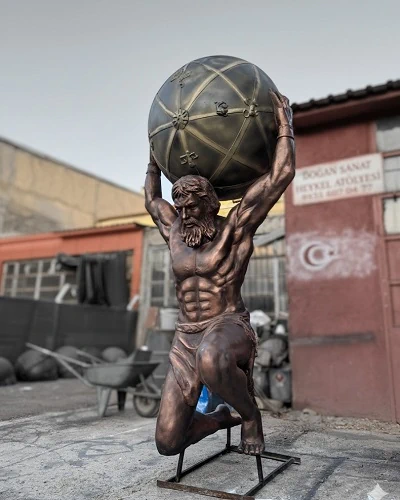
Atlas Titan of Greek Mythology Sculpture of Atlas
Sculpture Product Categories
Architectural Sculptures FAQ
Architectural sculptures are works of art planned integrally with architecture from the design stage of a building, completing the aesthetics, identity, and story of the building. These sculptures do not only serve for ornamentation; they also emphasize the character of the structure and add a monumental value to it. They are generally used at building entrances, column capitals, facade decorations (figures such as caryatids, atlases), or roof lines.
Yes, architectural sculptures are extremely suitable for use on both interior and exterior facades and assume different functions in both areas. Sculptures used on exterior facades form the public face of the building, increase its prestige, and reflect the architectural style to the outside world. In interiors, they are generally used in lobbies, large stairwells, or atriums to add depth and an artistic focal point to the space.
Absolutely, the most valuable aspect of architectural sculptures is that they can be designed specifically for the unique spirit and architectural language of each project. The design process starts in line with the architect's vision and the building's intended use; concepts that will fully harmonize with the scale, material, and environmental texture of the building are developed. Our professional team works on 3D models of the project to simulate the stance of the sculpture on the building, light-shadow effects, and structural connections before production begins.
Since architectural sculptures are designed as a part of the structure, they are produced to be at least as long-lasting as the building. High-quality composites, natural stones, or special alloy metals used in production are selected to show maximum resistance to external factors. Especially the works on the exterior are covered with special protective layers against corrosion, UV rays, and air pollution. In this way, the sculptures maintain their structural integrity for decades and require very little maintenance.
The safety of sculptures placed on the building's exterior is the most critical stage where engineering and art meet. Each sculpture is reinforced with internal steel frame systems that can carry its own weight and external forces such as wind load. During the installation phase, these frames are fixed to the main carrier system of the building (reinforced concrete or steel structure) with chemical anchors and high-strength anchors. All these processes are carried out by making static calculations and ensuring full compliance with safety standards.
Thanks to modern production techniques and material science, the risk of climatic conditions damaging architectural sculptures has been minimized. The materials used in the production of sculptures are selected so that their expansion and contraction coefficients are compatible with the building's construction materials; this eliminates the risk of cracking in extreme heat or freezing cold. In addition, special water-repellent and UV-protective coatings applied to the surfaces prevent the abrasive effect of rain and sun.