Mask Sculpture Price and Sales
Mask sculpture is a unique branch of sculptural art in which the human face or mythological characters are shaped three-dimensionally using materials such as clay, plaster, resin, or bronze. Mounted and displayed on a flat surface, these works serve both as a powerful decorative sculpture and carry deep cultural meaning. Used throughout history in theater, rituals, funeral ceremonies, and carnival celebrations, masks have today become indispensable elements of homes and business spaces as works of art.
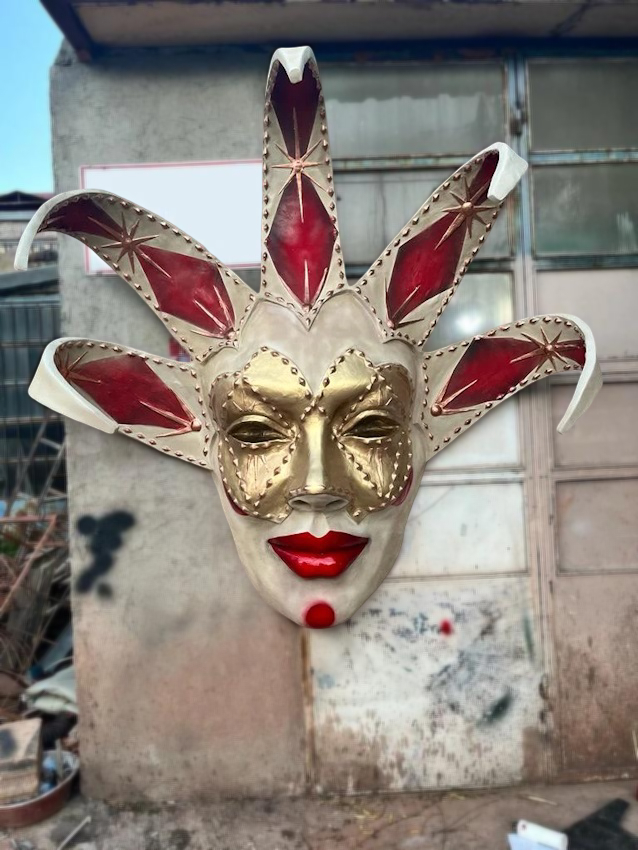
The work you see in the image above is a handmade sculptural mask inspired by the Venetian mask tradition. The harmony of red and gold tones, the delicacy of the facial features, and the dramatic form of the crown immediately reveal the meticulous craftsmanship this piece requires. The vivid red lips create a striking contrast against the gold-leafed face, while the diamond-shaped panels and fine bead details on the crown elevate the work to the level of a gallery piece.
Historical Origins of Mask Sculpture
Mask art is one of the oldest forms of human expression. Stone masks unearthed in archaeological excavations in Anatolia and the Middle East approximately 9,000 years ago reveal just how deep-rooted this art form truly is. In ancient Greek theater, actors wore large masks on stage, while in ancient Rome, the faces of ancestors were immortalized through wax masks. The ritual masks of African tribes, the wooden masks of Japanese Noh theater, and the ceremonial masks of the Aztec and Maya civilizations all demonstrate how different cultures around the world developed and preserved mask art for different purposes.
However, when it comes to mask sculpture, the tradition that first comes to mind and remains the most recognized worldwide is undoubtedly the Venetian mask tradition. The Venice Carnival, which began in the 13th century and reached remarkable richness over the centuries, transformed the mask from a mere accessory into an art form in its own right. In Venice, masks eliminated social class distinctions and offered the wearer freedom and anonymity. This cultural background continues to give the Venetian mask its unique appeal and depth of meaning today. In our country, the Ataturk Mask in particular ranks among the most produced mask sculptures.
Venetian Mask Sculpture and Its Characteristics
Venetian mask sculptures are easily distinguished from all other mask types by their unique forms and color palettes. These works are dominated by gold, red, black, and white, and frequently incorporate decorative elements such as feathers, beads, lace, and stones. The facial expression is generally neutral or subtly smiling; this ambiguity is one of the most important elements that enhances the mask's sense of mystery.
The jolly-type Venetian mask seen in the work above is one of the most iconic figures of the carnival tradition. The multi-paneled, pointed crown atop this mask representing the jester character is the piece's most eye-catching feature. The red diamond-shaped panels and bead rows on the gold background are among the most distinctive hallmarks of traditional Venetian craftsmanship. The red lips and small ball detail on the chin add both theatrical drama and elegant wit to the mask.
The gold leaf technique used in this type of mask is a centuries-old tradition. This look, achieved by applying thin gold sheets to the surface with special adhesives, gives the work both a luxurious feel and a dynamic brilliance that shifts with the light. In every handmade mask, this process is carried out with great care; that organic, warm glow that no machine can replicate is only possible through the hands of a master craftsman.
Mask Sculpture Production and Orders
The most commonly used material in mask sculpture production is clay. As a material that is both easy to shape and forgiving of mistakes, clay gives the artist a wide creative freedom. Clay masks, which gain an extremely solid structure once fired in a kiln, can be used indoors for many years without any problems. Clay also holds the paints and coatings applied in later stages exceptionally well.
Plaster is preferred especially in mass production and mold casting techniques. It is known for its lightness and ease of workability; painting and surface treatments can be carried out on plaster with ease. Resin and fiberglass stand out as more modern options. Being both lightweight and durable, these materials are preferred for large-scale and complex mask sculptures. They adapt perfectly to paint and are long-lasting.
Bronze maintains its status as the most prestigious and most permanent mask sculpture material. Ideal especially for outdoor applications and corporate orders, bronze is extremely resistant to weather conditions and develops a distinct character over time with the patina tone it acquires. Wood holds an important place in traditional mask-making art; wooden carved masks have been produced for centuries especially in African, Asian, and Anatolian traditions.
To order a custom mask sculpture, you can fill out the form below or contact us directly through our other communication channels.
Registration Date:
Rate:
5
1 Vote