Atlas Figure Price and Sales
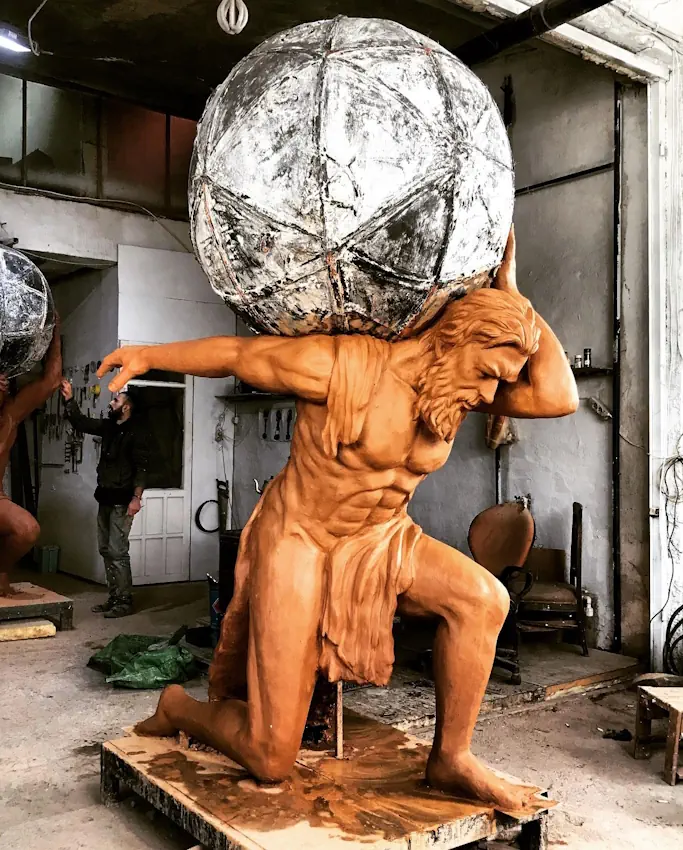
In the world of mythology, some figures transcend being mere characters over time and transform into symbols. Atlas is exactly one of those names. This giant Titan from Greek mythology still fuels the imagination of millions, lives on in works of art, and continues to serve as a cultural reference point. When we say Atlas figure, it brings to mind not just an ancient sculpture; universal themes like strength, endurance, responsibility, and solitude also take shape in the shadow of this name.
In this article, we will look at the Atlas figure from a broad perspective, starting from its mythological roots to its place in art history, its modern interpretations, and its position within today's popular culture. We wrote it with the aim of serving as a comprehensive guide for anyone who is curious or wants to get to know this figure more closely.
Mythological Background: Who Is Atlas?
Atlas is a giant being from the lineage of the Titans in Greek mythology. His father is Iapetus, and his mother is Clymene, daughter of the Ocean. His brothers include Prometheus and Epimetheus. In other words, Atlas belongs to a deeply rooted mythological family.
According to the most well-known version of the story, in the great war between the Titans and the Olympian gods - a conflict known as the Titanomachy - Atlas fought on the side of the Titans and was defeated. As punishment for this defeat, Zeus assigned Atlas an extremely heavy duty: to carry the sky or the world on his shoulders for eternity. This punishment is also a kind of imprisonment; Atlas can neither escape nor be freed from this burden.
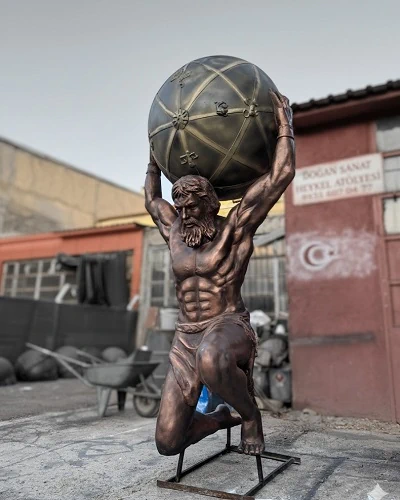
Over time, these mythological details have changed and been reinterpreted. While some sources say Atlas carried the sky, others depict it as a celestial globe. The most common representation in art history is Atlas holding a large sphere on his shoulders.
In an interesting corner of mythology, we also encounter Atlas in the Perseus legend. After slaying Medusa, Perseus stops by Atlas on his way back and asks to spend the night. Atlas refuses him. Perseus then shows him Medusa's head and turns Atlas to stone, thus forming the mountain range in northern Africa. This legend is what gave the name Atlas its geographical meaning as well.
How Did the Atlas Figure Find Its Place in Art History?
From the ancient Greek and Roman periods onward, the Atlas figure has captured the interest of artists. Especially in sculpture, this figure has been regarded as both a technical challenge and a profound philosophical means of expression. A man carrying a giant sphere - the tension in the muscles, the posture of the body, and the sense of weight in the expression - offered sculptors a unique opportunity to push their materials to the limit.
During the Renaissance, the Atlas figure was rediscovered. Italian masters, with their deep interest in Greek mythology, interpreted this figure from different angles. Works created in this period are extremely powerful in terms of both anatomical accuracy and dramatic expression. Artists were not merely drawing a figure; they were also narrating humanity's submission to fate and, at the same time, its resistance to it.
In the Baroque period, Atlas took on an even more dramatic character. Artists inspired by Caravaggio's understanding of light and shadow produced works that almost made you feel the tension in Atlas's muscles. During this period, the Atlas figure was depicted not only as powerful but also as a suffering hero.
In the 19th century, with the Neoclassicism movement, interest in Greek and Roman mythology once again reached its peak. Atlas sculptures made during this period found their place in both public spaces and private collections in great numbers. Sculpture was no longer just a means of expression for churches or palaces, but also for the merchant class and the bourgeoisie.
The Most Famous Atlas Sculptures
There are many Atlas sculptures around the world. Some date back to antiquity, while others are modern interpretations. However, some have truly reached iconic status.
The Farnese Atlas stands out as the best-known work in this regard. This Roman-period sculpture, displayed at the National Archaeological Museum of Naples, is most likely a copy of a Greek original. This marble work, approximately 2 meters tall, depicts Atlas kneeling and carrying a celestial globe. Constellations are carved on the globe, making the work significant from both an artistic and astronomical standpoint.
Atlas Figure Order
If you are thinking of having an Atlas sculpture made, first take a look at our Atlas Sculpture work available on our site and previously prepared in our atelier, and reach us through the order page or contact form.Registration Date: