Which Material Is Best Suited for Which Environment?

In the art of sculpture, the choice of material does more than just define the visual identity of a work; it directly determines its lifespan, where it can be displayed, and the level of maintenance it will require. For artists and collectors alike, this choice is not merely an aesthetic preference but a strategic decision that accounts for environmental conditions.
Which Material Is Best Suited for Which Environment?
To understand which material is appropriate for a specific setting, one must first define the conditions of that environment. Humidity levels, temperature fluctuations, UV exposure, air pollution, and human contact are the primary environmental factors a sculpture will encounter. Each of these factors degrades different materials at varying rates. Therefore, the environment should be determined first, followed by the selection of a material resistant to those specific conditions.
Bronze: The Most Reliable Material for Outdoor Spaces
Bronze is one of the most preferred materials when it comes to outdoor sculpture. Having resisted open-air conditions for centuries, bronze works naturally protect themselves by developing a protective oxide layer called patina over time. Although this layer is technically a product of corrosion, it acts as an armor protecting the underlying bronze from further oxidation. Supported by regular wax applications, bronze sculptures can remain intact for decades, even in harsh climates. In environments with salty air, such as coastal areas, the frequency of maintenance should be increased.
Marble and Stone: Noble Materials for Indoor Settings
While marble is an extremely valuable material from an aesthetic standpoint, it presents significant limitations for outdoor use. Highly sensitive to acid rain and humid climates, marble faces surface erosion and discoloration over time. Specifically, marble sculptures used outdoors in industrial zones or coastal areas degrade rapidly. In contrast, marble works displayed under controlled indoor conditions can preserve their integrity for centuries. Granite, being much denser and less porous than marble, shows great resistance to freezing temperatures and moisture cycles; for this reason, it is frequently preferred for outdoor pedestals.
Stainless Steel: Essential for Modern Spaces
Stainless steel is a very common material for sculptures used in urban areas and alongside modern architectural structures. Maintaining its visual brilliance for long periods, stainless steel is highly resistant to moisture and air pollution. However, fingerprints and dust accumulation are immediately noticeable on these surfaces; therefore, they require regular cleaning. In high-traffic public areas, stainless steel stands out for both its durability and ease of maintenance. Furthermore, its suitability for shaping and welding processes provides artists with immense formal freedom.
Wood and Clay: Materials for Controlled Environments
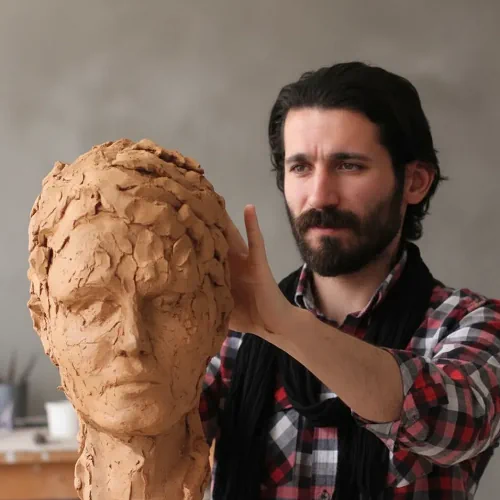
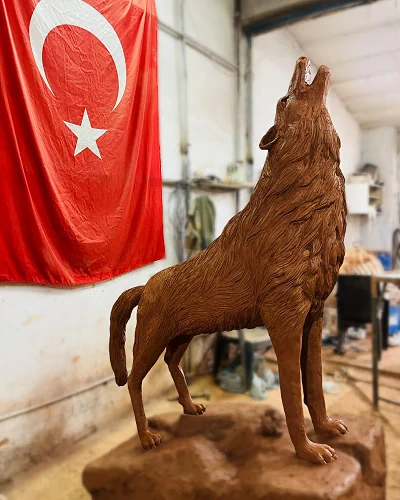
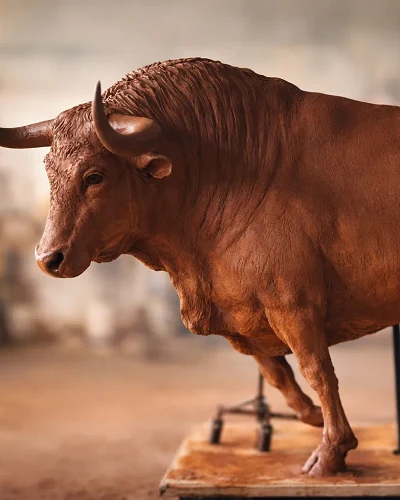
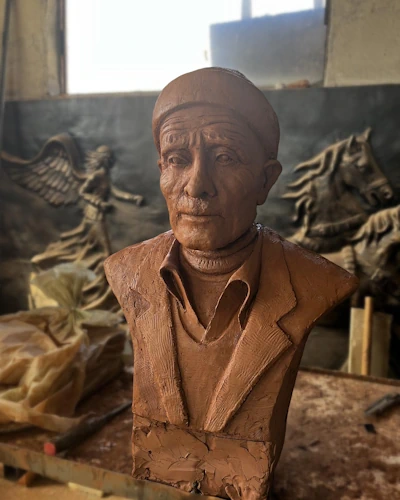
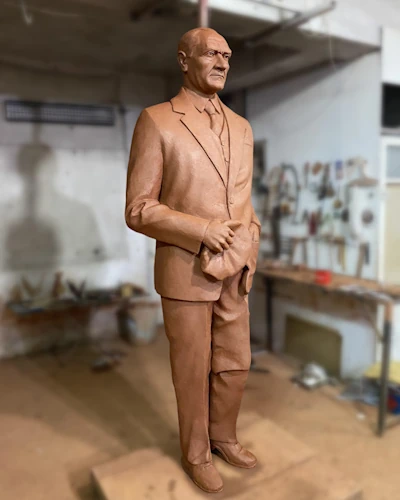
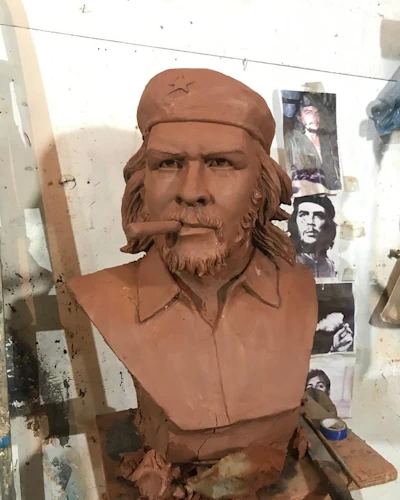
Although wood offers a warm and organic visual language, it is one of the most sensitive materials to environmental conditions. As wood expands and contracts while absorbing and releasing moisture, it can crack, warp, and lose its shape over time. While special impregnation and protective coatings should be applied to wood works intended for the outdoors, indoor placement remains the superior choice. Clay and ceramic-based works show great variation depending on the firing process and the quality of the glaze coating. Properly fired and glazed ceramic works can be resistant to moisture and temperature, whereas low-fired clay works degrade very quickly in outdoor conditions.
Resin and Composite Materials: A Contemporary Alternative
In recent years, the use of resin and fiber-reinforced composite materials in sculpture has increased significantly. These materials are lightweight and allow for very complex forms through molding. UV-resistant resins can be used outdoors, but they carry a risk of color fading and surface cracking over the long term, making them less permanent than bronze or granite. Nevertheless, due to their cost and weight advantages, they are frequently preferred for large-scale temporary installations and commercial exhibition spaces.
When selecting a material, one must first decide where the work will stand and what conditions that environment holds. No matter how beautiful it looks, a material incompatible with its environment will soon lead to both aesthetic and structural problems. When the right material meets the right environment, the sculpture can maintain its impact for decades, just as it did on the first day.
Date Added: | Last Updated: