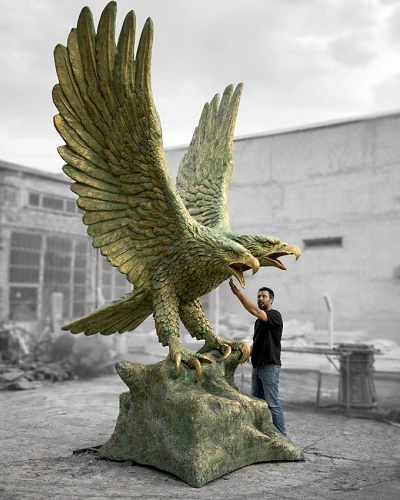
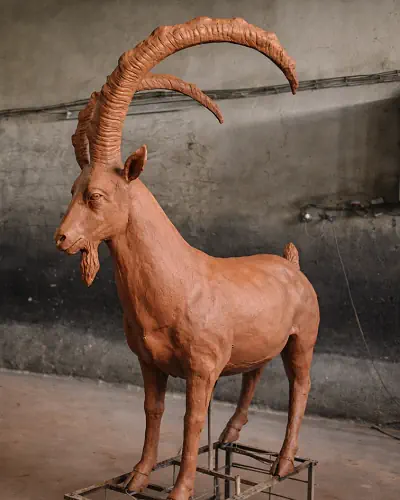
Shaping materials such as clay, stone, metal, wood
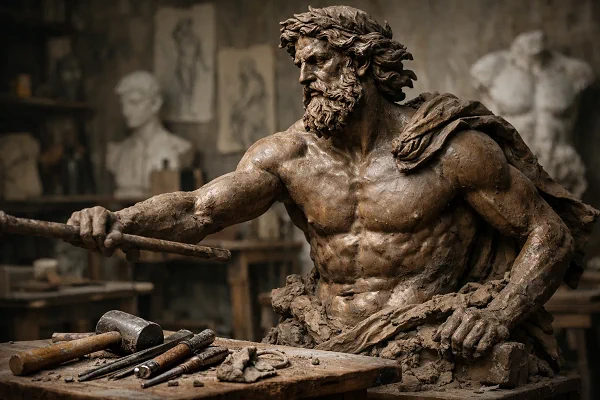
Sculpture, as one of the oldest and most impressive forms of art, has been an important part of humanity's cultural heritage for thousands of years. In its simplest definition: art pieces designed in three dimensions and shaped using various materials are called sculptures. Unlike painting or photography, sculpture occupies a physical volume and allows the viewer to examine it from different angles by walking around it.
The most important feature that distinguishes sculpture from other visual arts is its three-dimensional structure. While a painting or drawing exists on a two-dimensional surface, sculpture occupies space in reality. This feature offers the viewer the opportunity to not only look at the work but also to experience it from different light conditions and angles by walking around it. This art form, which tells a different story from every angle, establishes a deeper interaction with the viewer.
Historical Importance of Sculpture Art
As old as human history, sculpture art gave its first examples in the prehistoric period. In addition to cave drawings, small figurines and totemic objects are evidence of humanity's need to express the world around them in three dimensions. Small sculptures dating back 30,000 years, such as the Venus of Willendorf, are among the earliest examples of artistic expression.
Throughout history, sculptures have reflected the values, beliefs, and power structures of societies. In ancient Egypt, pharaohs had colossal sculptures made to symbolize their eternal lives. In ancient Greece, the ideal of human body perfection and divine beauty was at the center of sculpture art. The Romans continued this tradition, reaching the peak of realism in portraiture.
In the Middle Ages, sculptures were generally made for religious purposes. Figures of saints and angels adorning the facades of cathedrals were used to educate the public and strengthen religious faith. The Renaissance period initiated a new golden age in sculpture art. Michelangelo, Donatello, and other masters combined technical excellence with artistic genius to create many timeless masterpieces.
What is Sculpture in Modern Understanding
From the late 19th century onwards, sculpture art underwent radical changes. Artists like Auguste Rodin broke classical rules and developed a freer and more emotional language of expression. In the 20th century, sculpture art completely transcended its traditional boundaries. Names like Picasso, Henry Moore, and Alberto Giacometti pushed the limits in abstraction and form experiments.
Today, the concept of sculpture has expanded considerably. We are no longer just talking about traditionally carved or modeled figures. Installations, kinetic sculptures, light art, sound sculptures, and even digital projections can also be evaluated in the category of sculpture. Artists use the opportunities offered by technology to create interactive works, transforming the viewer from a passive observer into a part of the experience.
What is Sculpture and How is its Relationship with Space
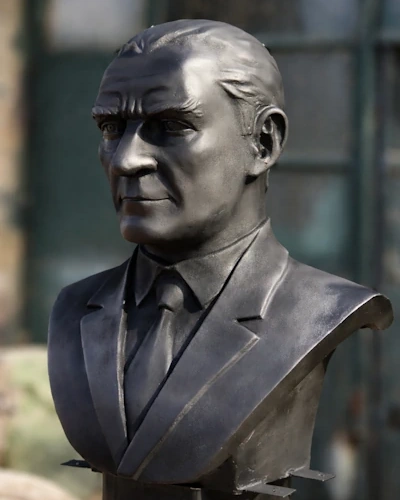
One of the most important features of sculpture is its relationship with the space it occupies. A sculpture can adapt to the surrounding architectural structure, natural landscape, or urban fabric, or it can deliberately conflict with it. Monumental sculptures in public spaces keep social memory alive and become part of the city's identity. Sculptures in museums, on the other hand, are exhibited in a more controlled environment, highlighting their artistic values.
Sculptures in interior spaces, beyond being a decorative element, define the spirit and character of the space. The size, weight, texture, and color of a sculpture directly affect the atmosphere of its environment. Therefore, sculptors must consider not only the form itself but also the context in which it will be exhibited when designing their works.
The Expressive Power of Sculpture Art
Sculpture is a powerful communication tool. It can convey universal emotions and ideas without using words. A figure of a mother holding her child can express universal family love; war memorials can convey the pain of loss and the longing for peace; abstract forms can describe the boundless imagination. As a different answer to the question "What is Sculpture?": can we say it is "the art of transforming a concrete material into a spiritual message"?
The word heykel comes from the Arabic origin word "haykal" and entered Turkish. In Arabic, the word "haykal" means large structure, building, or three-dimensional artwork. This word, adapted into Turkish during the Ottoman period, gradually began to be used exclusively to describe three-dimensional artworks. In the Turkish language, the word heykel defines art objects made through carving, sculpting, or shaping. Today, the term heykel carries a broad meaning encompassing both traditional and modern artworks.
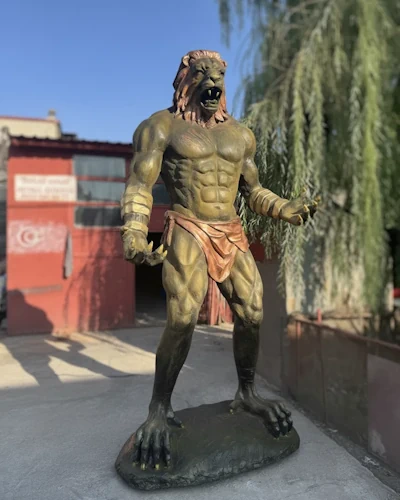
The answer to what is sculpture has carried different purposes throughout history. The first sculptures were made for religious rituals and worship purposes. In ancient times, they were used to represent gods and goddesses and symbolize immortality. Monumental sculptures for political leaders and heroes were erected to demonstrate power and authority. Artistic expression and aesthetic purposes are also important reasons for sculpture making. Today, sculptures are made to convey decorative, monumental, protest, or conceptual messages. When asking what is sculpture, it is seen as a tool reflecting social memory, cultural identity, and artistic creativity.
While the answer to what is sculpture is fundamentally the same, its interpretation may vary from person to person. For art historians, sculpture is an art form with specific technical and aesthetic criteria. For artists, it is a means of expression and a creativity manifesto. From the viewer's perspective, it can be an emotional experience or an aesthetic object. In modern art, the concept of sculpture has expanded to include forms such as installation and conceptual art. Cultural background, education, and personal experiences affect the perception of sculpture. However, when asking what is sculpture, there is general consensus that it is a three-dimensional artistic form. Subjective interpretations enrich the sculpture.
To answer what is sculpture and what is its difference from painting, the fundamental difference is dimensionality. Sculpture is a three-dimensional art form and occupies volume in physical space. Painting, however, is created on a two-dimensional surface. While sculptures can be viewed from every angle, paintings are seen from a single perspective. In sculpture making, concrete materials such as stone, metal, and wood are used, while painting uses tools like paint, canvas, and brushes. While sculpture is tangible and has physical presence, painting is a visual illusion. Both art forms provide emotional expression, but when asking what is sculpture, it is seen to establish a more direct relationship with space.
To answer what is abstract sculpture, it is a type of sculpture that does not represent concrete objects or figures from the real world, but is created with pure form, line, and volume. Abstract sculpture, which emerged in the early 20th century, offered artists unlimited creative freedom. Within the definition of what is sculpture, abstract sculptures evoke emotional and intellectual responses in viewers through geometric shapes, organic forms, or conceptual structures. Artists like Constantin Brancusi, Henry Moore, and Barbara Hepworth are pioneers in the field of abstract sculpture. Abstract sculptures create subjective experiences by leaving meaning and interpretation to the viewer. Material, texture, and form are fundamental elements of abstract sculpture.
A sculpture artist is called "heykeltrash" or "heykelturas" in Turkish. This term defines a person who makes sculptures and creates three-dimensional artworks by processing materials such as stone, metal, and wood. In English, it is called "sculptor." Someone asking what is sculpture should understand that the artists who create these works possess special talents, technical knowledge, and artistic vision. Sculptors can use classical methods as well as work with modern technologies. Famous sculptors include names like Michelangelo, Auguste Rodin, Ali Hadi Bara, and Ilhan Koman. Becoming a sculptor requires patience, creativity, and technical mastery.