What Is Bronze Sculpture and How Is It Made
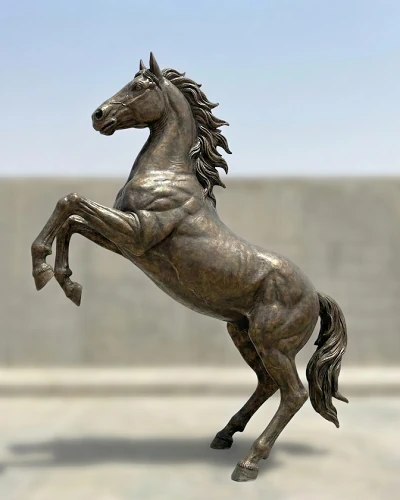
Bronze sculpture is a three-dimensional work of art produced by melting bronze metal an alloy of copper and tin and pouring it into molds. Bronze sculpturing, one of the most deep-rooted art forms in human history, dates back to around 3000 BC. The many works that have survived from ancient Greek, Roman, and Chinese civilizations demonstrate just how durable and long-lasting this technique truly is.
Bronze has been the preferred material of sculptors for centuries, thanks to its ease of casting, longevity, and the greenish patina layer that forms on its surface over time. Compared to other traditional materials such as marble or wood, bronze allows for finer detail work and is also exceptionally resistant to outdoor conditions.
The Historical Significance of Bronze Sculpture
The history of bronze sculpting runs parallel to humanity's growing knowledge of metallurgy. In ancient Greece, casting bronze statues of athletes, gods, and heroes became a deeply rooted tradition. During the Roman era, statues of emperors and statesmen were erected in public squares, with power and authority symbolized in this way.
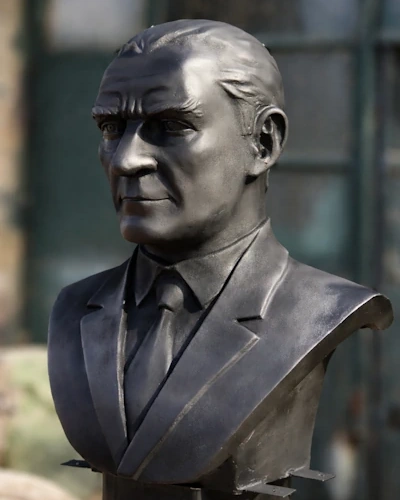
In Ottoman and Turkish art, bronze sculpting gained considerable momentum, particularly during the Republican period. The statues of Atatürk found in many cities across the country symbolize the cultural importance of this art form in Turkey. Today, contemporary artists actively use the bronze technique for both traditional and abstract expressions.
How Is a Bronze Sculpture Made?
Producing a bronze sculpture is a multi-stage process that requires both artistic and technical mastery. The most widely used method is the lost-wax (cire perdue) technique. Despite having been developed thousands of years ago, this technique is still used by sculptors today.
The Stages of the Lost-Wax Technique
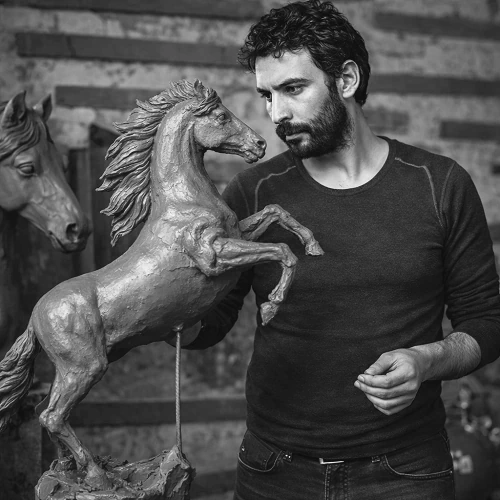
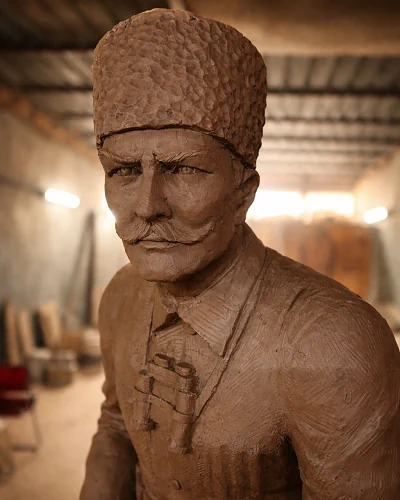
The process begins with the artist first creating a master model. This model is generally made from materials such as clay, plaster, or polyester and determines the final form of the sculpture. All of the artist's creative decisions are made at this stage; proportion, surface texture, and details all take shape in the master model.
Once the master model is complete, a silicone or rubber coating is applied over it to obtain a negative mold. This mold carries the exact reversed form of the model. The outer part of the mold is then reinforced with plaster or fiberglass support for durability.
Molten wax is poured into the negative mold to obtain a wax positive. This wax copy is prepared with thin walls and hollow inside, because consistent wall thickness during bronze casting is critically important. The artist can make final touch-ups on the wax, correcting any minor imperfections on the surface.
The wax model is then coated with a heat-resistant shell made from a ceramic or plaster mixture. Multiple layers are applied and allowed to harden. The shell is then subjected to high heat; the wax melts and drains away, leaving behind exactly the cavity that the wax occupied inside the mold. This is precisely where the name "lost-wax" comes from.
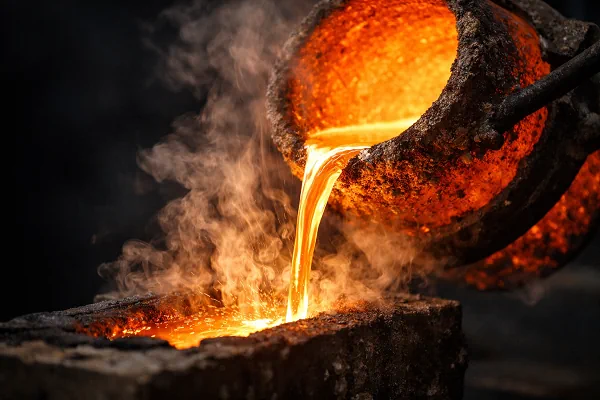
Molten bronze is poured into the empty mold. Bronze becomes liquid at approximately 950–1000°C and penetrates every inner surface of the mold. Once cooling is complete, the ceramic shell is broken away to reveal the bronze sculpture. This raw sculpture carries casting residue and rough spots on its surface.
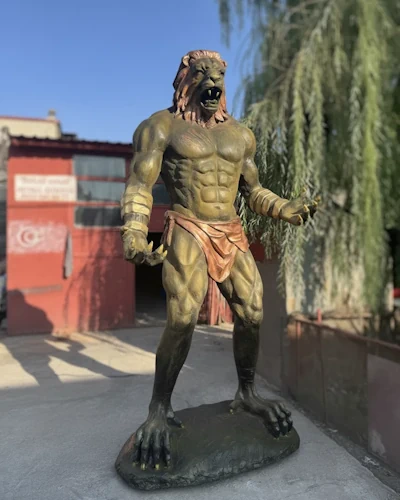
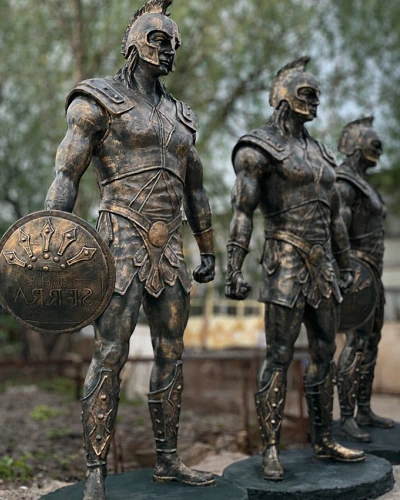
The final stage involves surface finishing and patination. The artist or metalworker refines the surface through grinding, sanding, and polishing. The desired color tone is then achieved on the bronze surface through chemical or heat application. Green, brown, black, or gold tones are all achievable.
Piece-by-Piece Casting for Large Sculptures
Monumental sculptures cannot be cast in a single pour. For such works, the sculpture is divided into sections and cast separately; the pieces are then joined together by welding. The joint points are carefully finished to become invisible. Many of the world's most famous public sculptures have been produced using this method.
How to Care for a Bronze Sculpture?
Although bronze sculptures are quite durable, they can deteriorate or stain over time without proper care. For sculptures kept indoors, wiping once a year with a soft cloth and applying a thin coat of wax is sufficient. For sculptures displayed outdoors, acid rain and air pollution can damage the surface patina; therefore, protective wax or specialist bronze care products should be used regularly.
Preserving the patina layer is important, because this layer both adds aesthetic value and protects the underlying metal against corrosion, moisture, and other external factors. Harsh chemicals and steel wire brushes that would erode the patina should be avoided.
Comparison of Bronze Sculpture with Other Materials
Marble sculptures offer an elegant appearance due to their hardness and white tone; however, their brittleness and sensitivity to outdoor conditions present significant disadvantages. Bronze, on the other hand, is far more suitable for dynamic poses and fine details thanks to its flexible nature. Although modern metals such as stainless steel and aluminum are used in contemporary art, the warm tone and historical depth that bronze creates still make it indispensable.
Date Added: | Last Updated: