Sculpture Maintenance Instructions
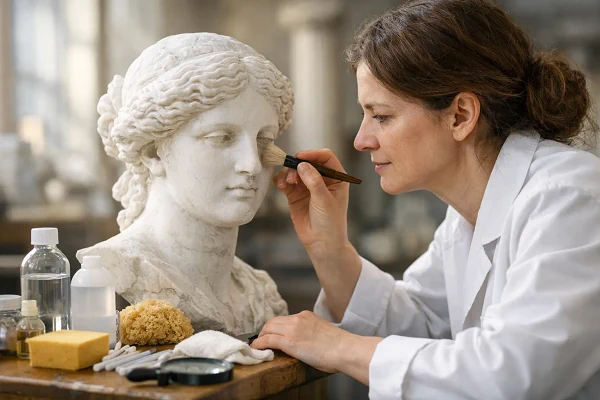
Regular maintenance is essential to extend the lifespan of your sculptures and preserve their original appearance. Whether made from fiberglass, clay, marble, or bronze, each type of sculpture has its own specific maintenance requirements. In this guide, you will find the most effective maintenance methods according to your sculpture's material.
Fiberglass Sculpture Maintenance
Fiberglass sculptures are produced from lightweight, durable materials suitable for outdoor use. However, UV rays and weather conditions can gradually cause a matte appearance and color fading on the surface.
Cleaning: When cleaning fiberglass sculptures, use a soft cloth and warm soapy water. Abrasive chemicals or hard brushes can damage the surface. After cleaning, rinse the sculpture with clean water and dry it with a soft cloth.
Protection: Apply special fiberglass polish products once or twice a year to protect the surface. These polishes provide UV protection and preserve color vibrancy. Additionally, automotive polish is also an effective choice for fiberglass surfaces.
Crack and Damage Repair: For small cracks or breaks, you can use a fiberglass repair kit. Clean the damaged area, sand it, and fill it with repair resin. After it dries, you can sand and paint it. For example, sculptures with extensive details like the eagle sculpture require all their crevices to undergo crack inspection.
Clay Sculpture Maintenance
Clay sculptures are generally displayed indoors and are sensitive to humidity and temperature changes. Although fired clay (terracotta, ceramic) is more durable, it requires careful maintenance.
Cleaning: Gently clean dust with a dry or slightly damp soft brush. For fired clay sculptures, you can use a damp cloth, but avoid using excessive water. Unfired clay sculptures should not come into contact with water.
Storage: Keep clay sculptures away from direct sunlight and moisture sources. Sudden temperature changes can cause cracking. Ideal storage conditions are room temperature and moderate humidity.
Varnish Application: The surface of fired clay sculptures can be protected by applying matte or glossy varnish. Varnish reduces dust accumulation and makes cleaning easier.
Marble Sculpture Maintenance
Marble is a natural stone material known for its elegance and durability. However, due to its porous structure, it is susceptible to staining and acidic substances.
Daily Cleaning: Wipe dust with a soft, dry cloth. In case of soiling, use a mixture of pH-neutral soap and warm water. Acidic cleaners such as lemon or vinegar should never be used as they damage the marble surface.
Stain Removal: For oil stains, apply a damp cloth covered with talcum powder and wait 24 hours. For colored stains, you can use paper towels moistened with hydrogen peroxide. Then rinse with clean water.
Polishing and Protection: Apply professional marble polish once a year. This process protects the surface and restores its natural shine. You can also apply marble sealer to close the pores and prevent staining.
Outdoor Marble: Marble sculptures located outdoors are affected by rain, frost, and pollution. Clean regularly and use protective covers during winter months if possible.
Bronze Sculpture Maintenance
Bronze sculptures are quite resistant to time, but over time they develop a greenish layer called patina. This is a natural process and is valued by many collectors.
Patina Protection: If you want to preserve the patina, gently wipe the sculpture with a soft cloth. Apply special bronze wax several times a year. Wax protects the surface against moisture and oxidation.
Cleaning: You can clean bronze sculptures with warm soapy water. Do not use hard brushes or abrasive substances. Dry thoroughly after cleaning because water puddles cause stains.
Patina Removal: If you want to remove the patina, you can use special bronze cleaners or a lemon-salt mixture. However, this process should be done carefully as it can damage the original surface workmanship. Professional assistance is recommended.
Outdoor Bronze: Regular wax application is critical for outdoor bronze sculptures. Apply protective wax 2-3 times a year. Also, clean acidic substances like bird droppings immediately.
General Maintenance Recommendations
Placement: Place your sculpture on a stable surface. Consider using anchoring systems against earthquakes or accidents, especially for valuable or large sculptures.
Periodic Inspection: Regularly check your sculpture for cracks, color changes, or damage. Early intervention prevents major repairs.
Professional Restoration: In case of serious damage or color loss, consult a professional restorer. Incorrect repair techniques can cause permanent damage.
Documentation: Take photographs of your sculpture or keep a video recording. This will be useful for future repairs and insurance procedures.
With proper maintenance methods, your sculptures will preserve their beauty for generations. Since each material has its own specific needs, create a maintenance routine suitable for your sculpture's material and apply it regularly.
Date Added: | Last Updated: