Sculpting Character: 4 Different Lighting Techniques That Transform a Sculpture
Sculpture lighting techniques: effects of top, side, bottom and back lighting
In the art of sculpture, light is often treated as a secondary element. Yet lighting is a tool that fundamentally changes how a work looks, what emotions it evokes and how it relates to the space. The same sculpture can take on completely different characters with different lighting techniques.
1. Top Lighting: Dramatic Shadows and a Sense of Power
In this technique where light is directed from directly above, the protrusions on the sculpture surface create sharp shadows. These shadows add depth and volume to the work; especially in figurative sculptures they sharpen facial features and create a powerful dramatic effect. Monumental works or sculptures intended to convey a message of power and determination prefer this technique, evoking a sense of respect and even slight pressure in the viewer. However, overly harsh top lighting can distort the natural expression on the face and make the work difficult to read.
2. Bottom Lighting: Mystery and Tension
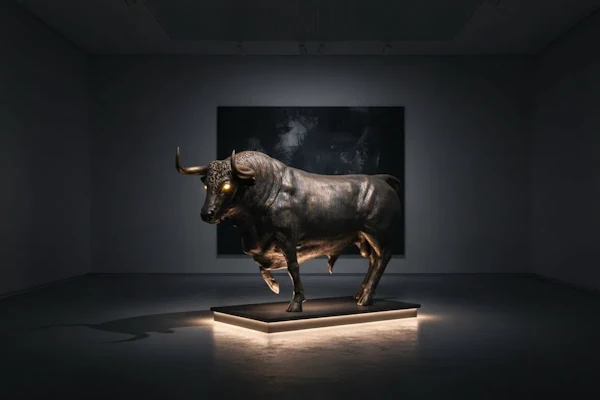
Lighting from below is an artificial form of illumination never encountered in nature. For this reason, the human eye immediately perceives this light as foreign and strange. Sculptures lit from below take on a mysterious, threatening or supernatural character. In abstract works this technique highlights unexpected aspects of the form and surprises the viewer. When used consciously in works carrying themes of fear or tension it produces extremely effective results; however this technique should be avoided in sculptures expected to convey a calm and peaceful message.
3. Side Lighting: Revealing Texture and Surface Character
Light coming from the side is the technique that most clearly reveals the texture and craftsmanship on the sculpture surface. Chisel marks on the surface of stone, the casting texture of bronze or the annual rings of wood are perfectly conveyed to the viewer through side lighting. This technique is particularly preferred in works where surface quality and craftsmanship are to be highlighted. Lighting designers in art galleries frequently use this technique because this angle of light best showcases the technical quality of the work.
4. Back Lighting: Silhouette and Abstraction
In this technique where light is provided from behind the sculpture, the work largely transforms into a silhouette. The main outlines of the form become sharply defined while surface details recede. This technique presents the form in its pure state especially in abstract and geometric works; the viewer confronts not the surface details but the overall movement of the work. Back lighting is a powerful tool when a dramatic and striking effect is desired in a space. In addition, in works made from transparent or semi-transparent materials, back lighting can produce a mesmerizing effect with light passing through the material.
The Importance of Color Temperature
In addition to the lighting technique, the color temperature of light also directly affects the perception of the work. Warm-toned lights, namely lights in the yellow and orange spectrum, create warmth and an organic feel in bronze and wooden works. Cool-toned lights, namely the white and blue spectrum, reinforce the sense of coldness and modernity in marble and stainless steel works. No matter how technically successful a lighting design made without choosing the right color temperature may be, it can conflict with the character of the work.
Lighting may not seem like a part of the sculpture; but it is actually one of the most critical design decisions that determines how the work reaches the viewer. A well-chosen lighting technique can make an ordinary work extraordinary, while a wrong choice can halve the impact of even the finest work.
Sculpting Character: 4 Different Lighting Techniques That Transform a Sculpture FAQ
Bottom lighting, being an artificial angle of light not encountered in nature, is immediately perceived by the human eye as foreign and strange. This technique gives the sculpture a mysterious, threatening and supernatural character. Especially in works carrying themes of fear or tension, bottom lighting creates an extremely powerful atmosphere. In abstract sculptures, it highlights unexpected surfaces and angles of the form, surprising the viewer. This technique should be avoided in sculptures expected to convey a calm and peaceful message; however, if a dramatic effect is targeted, bottom lighting is an indispensable tool.
Side lighting is the illumination technique that most clearly reveals the texture and craftsmanship on the sculpture surface. Chisel marks on the stone surface, the casting texture of bronze and the annual rings of wood are perfectly conveyed to the viewer through side lighting. With this technique, every mark and detail that the master has added to the work comes to light. Lighting designers in art galleries particularly prefer this method because this angle of light best showcases the technical quality of the work. Side lighting should be the first choice in all sculpture types where surface quality and craftsmanship are to be highlighted.
Back lighting produces the most mesmerizing effect in transparent and semi-transparent materials. In materials such as glass, resin, onyx and thinly crafted marble, light passes through the material creating a unique brilliance and depth. This effect makes the sculpture appear as if it is lit from within and creates a powerful aesthetic experience in the viewer. In opaque materials, back lighting transforms the work into a silhouette; the main outlines of the form become sharply defined while surface details recede. In abstract and geometric sculptures, this silhouette effect reveals the pure power of the form and creates a striking visual impact in the space.
In sculpture lighting, the selection of color temperature should be determined according to the material of the work and the message it carries. For bronze and wooden sculptures, warm-toned lights in the yellow and orange spectrum should be preferred; these lights add warmth, naturalness and an organic feel to the work. In marble and stainless steel sculptures, cool-toned lights in the white and blue spectrum reinforce the sense of modernity and elegance. Choosing the wrong color temperature can render even a technically perfect lighting design ineffective and conflict with the character of the work. The correct color temperature is the invisible but most critical design decision in lighting.
In abstract sculptures, the choice of lighting technique varies according to the message the work carries and the structure of the form. Bottom lighting creates a powerful effect to highlight unexpected surfaces and dynamic angles of the form. When it is desired to showcase the overall movement and pure form of the work, back lighting reveals the essence of the form with its silhouette effect. If showing surface texture and material quality is a priority, side lighting will be the most appropriate choice. In most cases, mixed lighting systems that use more than one technique together for abstract sculptures produce the most successful results and offer the viewer a layered experience.
Sculpture lighting in art galleries should be planned in a way that best reveals the technical quality and artistic value of the work. Side lighting is the most frequently used technique in galleries as it showcases surface texture and craftsmanship. General ambient light should be kept low and focus should be placed on the work with spot lighting; in this way the sculpture should be abstracted from the space and attract all the attention of the viewer. The material of the sculpture plays a determining role in the selection of color temperature. Shiny floors that create reflections in front of or below the works should be avoided. Correct gallery lighting establishes a deep and unforgettable bond between the viewer and the work.