Materials Used in Sculpture Making
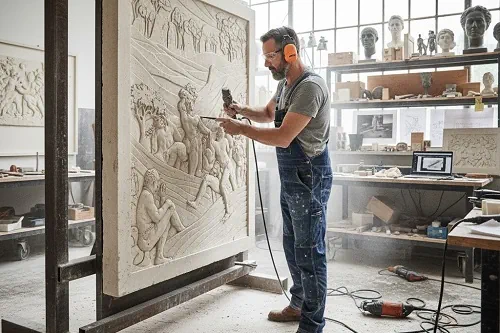
Sculpture art is one of the most impressive art forms that humanity has used to express itself throughout history. The materials used in this art form, spanning from ancient times to the present day, are among the most important elements reflecting artists' creativity and technical skills. Each material has its own unique character and processing techniques. So, what materials are used in sculpture making and what are their characteristics?
Stone: The Most Classic Sculpture Material
Natural stones such as marble, granite, and limestone are perhaps the most traditional materials in sculpture art. Marble, in particular, has been the favorite of sculptors since ancient Greek and Roman times. White marble reflects light in a special way, giving artworks an almost lifelike quality. Masterpieces like Michelangelo's David are perfect examples of how impressive marble can be. Working with stone requires patience and mastery because once you carve too much, there's no going back. However, thanks to its durability, it can survive for centuries.
Bronze and Metal Castings
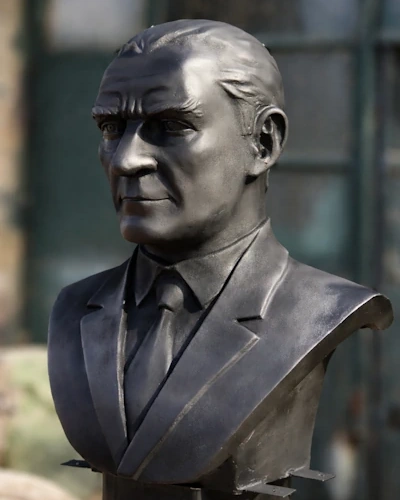
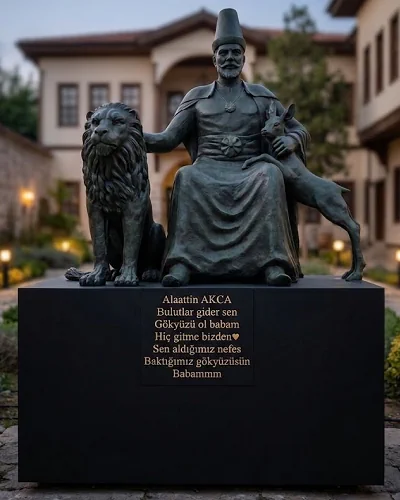
Bronze is a metal alloy that has been used in sculpture art for thousands of years. This material, composed of copper and tin, is both durable and suitable for detailed workmanship. Sculptures made with metal casting are quite resistant to fire and weather conditions. Most of the monumental sculptures you see in squares are made of bronze. Although the casting technique is somewhat complex, it offers artists the opportunity to capture very fine details. Other metals such as iron, steel, and stainless steel are also frequently preferred, especially in contemporary sculpture.
Clay: The Easiest Way to Shape
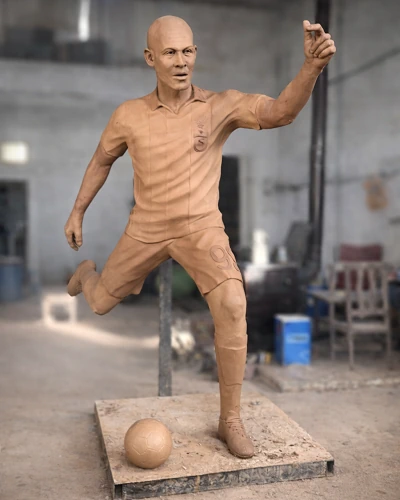
Clay is essential for sculpture education. Thanks to its flexible structure, you can easily give it any shape you want. Artists generally use clay for sketching or creating small models of large projects. When shaped and then hardened by firing in a kiln, it becomes quite durable. Fired clay sculptures known as terracotta have been used in various cultures for centuries. Ceramic sculptures work on the same principles and are particularly popular in decorative pieces.
Wood: A Natural and Warm Material
Wood sculptures stand out with their natural texture and warm appearance. While hardwoods like oak, walnut, and beech are ideal for sculpture, softwoods are easier to work with. Wood carving holds a very important place especially in African and Asian art. The wood carving tradition in Turkish art is also quite deep-rooted. The disadvantage of wood is its sensitivity to moisture and insects. That's why protective treatments and special care are necessary. However, when properly maintained, it can last for centuries.
Plaster and Stucco Materials
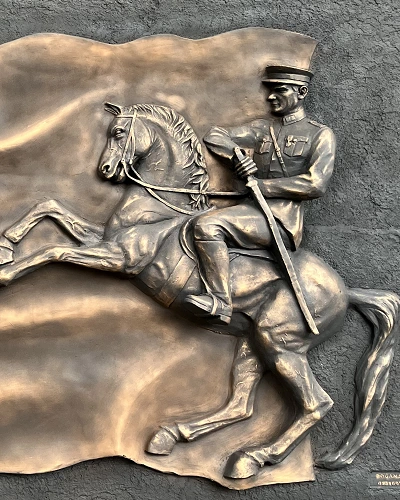
Plaster is indispensable, especially in model and mold making. Its quick drying and easy workability are great advantages. Artists often create plaster models first for works they will make from bronze or other materials. Although plaster sculptures are relatively fragile, they are quite suitable for indoor display. They are also frequently used in wall reliefs and decorative elements.
Modern Materials: Plastic, Resin and Composites
Contemporary sculpture art goes beyond traditional materials. Synthetic materials such as polyester resin, epoxy, and fiberglass are among the favorites of today's sculptors. These materials are lightweight, durable, and can be produced in almost any color. They are particularly suitable for large-scale, colorful, and experimental works. Recycled plastics, metal scraps, and industrial waste can also be transformed into works of art. With the growing importance of sustainability, the use of such materials is increasing.
Concrete: Between Architecture and Sculpture
Concrete is a material commonly associated with the construction industry but also used in sculpture art. Thanks to its durability and suitability for outdoor use, it is preferred especially in large-scale works in public spaces. Modern artists incorporate concrete's industrial character into their artistic expressions. It is shaped by pouring into molds, and different appearances can be achieved with various additives.
The wide variety of sculpture materials offers artists unlimited possibilities for expression. From traditional stone carving to modern polymer applications, each material requires its own unique aesthetic and technical approach. When an artist's vision meets the character of the material, unique works emerge.
Date Added: | Last Updated: