How to Make a Sculpture
Making sculptures has been one of humanity's forms of self-expression for thousands of years. Both ancient sculptures carved from stone and modern bronze castings are based on the same fundamental principles: imagining a three-dimensional form and transforming it into physical reality. So how does this process work? What techniques are used? Which materials are preferred? Whether you want to become a professional artist or try sculpting as a hobby, learning the basics is always a good start.
Basic Techniques in Sculpture Making
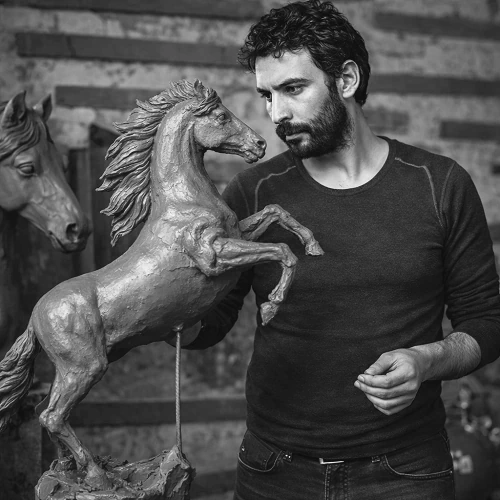
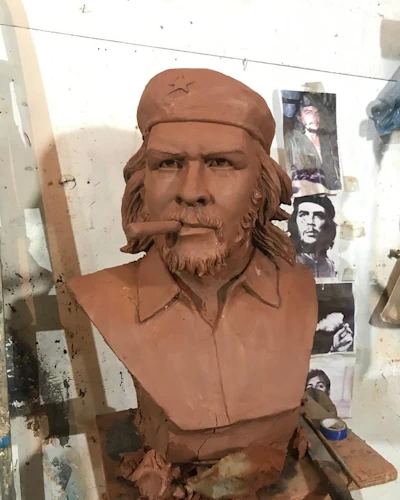
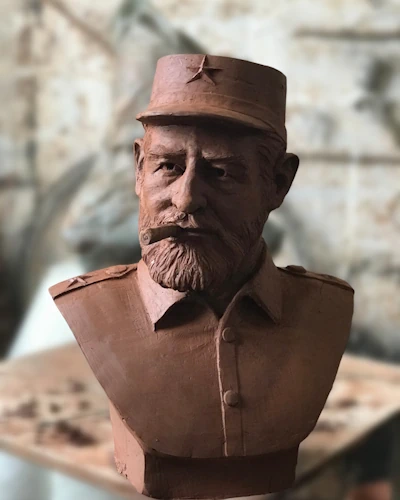
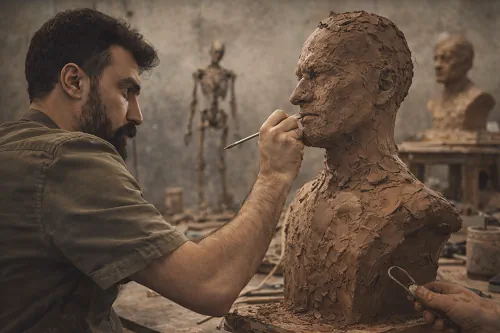
Methods used in sculpture art are fundamentally divided into two main categories: additive and subtractive techniques. Modeling is the best example of the additive technique. When working with soft materials such as clay, plasticine, or wax, the artist creates the desired form by adding, shaping, and correcting the material. This method is ideal for beginners as it allows the luxury of making mistakes. The clay you shape with your hands can be changed and reshaped as much as you want.
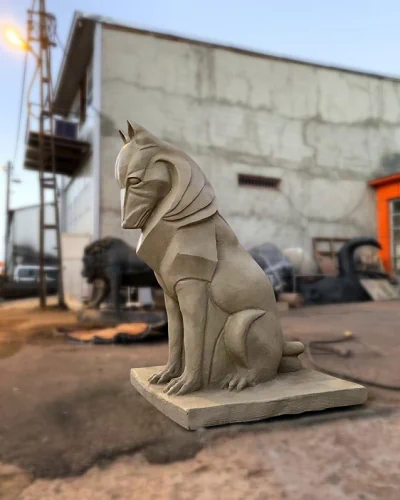
The carving technique works with the opposite logic. You reveal the form inside by removing unnecessary parts from hard materials such as marble, granite, and wood. Michelangelo's famous quote perfectly summarizes this technique: "The sculpture is already inside the stone, I just remove the excess." The carving process is irreversible. Once you remove material, you cannot put it back, so every step must be carefully planned.
The casting technique is a more complex method. First, you make a model of the sculpture you want from clay or another material. Then you take a mold from this model. You pour liquid material such as bronze, plaster, resin, or concrete into the mold. When the material hardens, you break the mold and your sculpture emerges. The lost-wax casting technique used in bronze sculpture making has thousands of years of history.
Which Material Should You Start With?
If you are new to sculpting, clay is the most suitable material. Clay is cheap, easy to find, and you can shape it as you wish. You can make constant changes before it dries and correct mistakes made during sculpture making. Ceramic clay can be made permanent by firing. Plasticine never dries, so it is ideal for long-term projects, but it is not suitable for creating permanent works.
Wood carving requires a bit more experience but is still suitable for beginners. Soft wood types make carving easier. Wood is a much-loved material with its natural texture and warmth. Stone carving is the most challenging technique. Working on hard stones such as marble and granite requires years of experience. However, you can gain experience by starting with small soft stones.
Tools You Need in Sculpture Making
Your basic tool set for modeling should include wooden modeling sticks, wire loops, sponge, and a spray bottle. Getting a turntable makes your work easier. For carving, you need a hammer and chisel set. Chisels come in different widths and shapes. Sandpaper should be available in different grades, first shape with coarse sandpaper, then polish with fine sandpaper.
Sculpture Making Process Step by Step
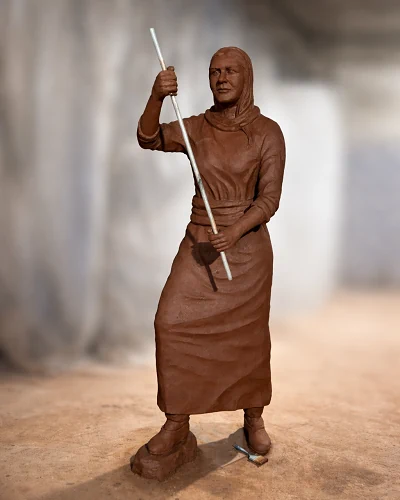
The first step is always the idea. Clearly imagine what you want to make. Draw sketches on paper, make drawings from different angles. In the second step, create an armature. Especially when making large sculptures, a support structure is needed to carry the weight of the material. You can make a simple armature with wire and wooden sticks.
In the third step, create the general form. Before getting caught up in details, determine the main mass and general outlines of the sculpture. Check proportions at this stage. In the fourth step, add details. Work on small but important elements such as facial expression, finger details, and clothing folds. In the fifth step, do surface treatments. Patient work is essential to achieve a smooth surface.
Common Mistakes and Solutions
The most common mistake is focusing on details too early. Working on facial details before your general form is settled causes you to end up with a disproportionate sculpture. Another common mistake is starting to work without knowing the material. Each material has its own characteristics. First make small test pieces, get to know the material. Not using references is also a big mistake. Especially in realistic works, photographs or live models should be used as references.
Professional Sculpture Production
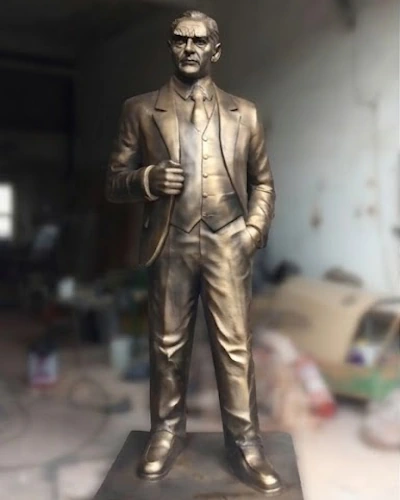
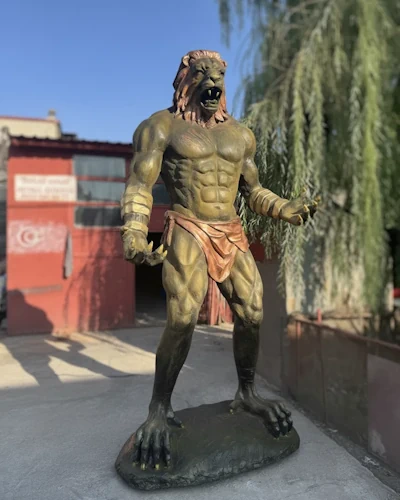
In professional studios that take sculpture commission, engineering calculations are made for large-scale sculptures. Factors such as static balance and wind load are considered. Professional bronze casting is quite complex. In the lost-wax technique, first a model is made from clay, then a silicone mold is taken. Wax is poured into the mold, ceramic layers are applied over the wax model and fired. Molten bronze is poured into the cavity and coloring is done with patina application.
Date Added: | Last Updated: