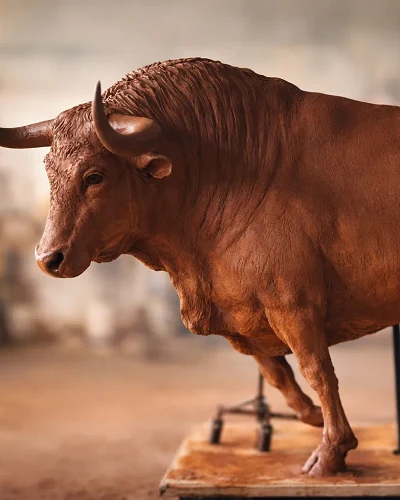
How Long Does Sculpture Making Take? Estimated Production Time
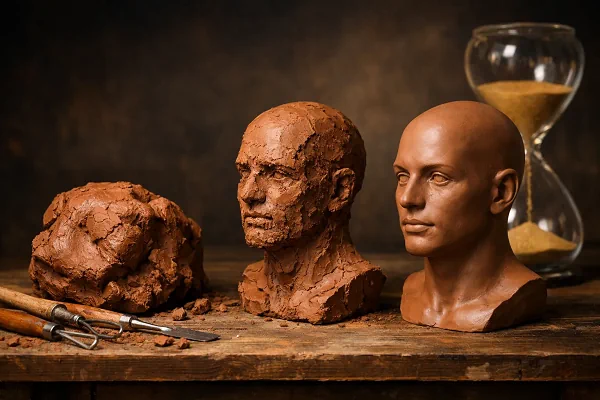
You're thinking about ordering a sculpture, or maybe you already have and somewhere in the back of your mind there's that question: "When will I actually receive it?" There is a real answer to that, but the answer is different for every sculpture. Because sculpture making isn't a product rolling off a factory line. Every piece is its own process, its own labor.
In this article we'll try to give you a realistic picture. How long does each material take, how does size factor in, which stages eat up the most time - we'll go through all of it.
The Stages of Sculpture Making
Before a sculpture can exist, it has to take shape in someone's mind. If the artist or studio is creating something specifically for you, the process starts with a design and approval phase. If there's an existing model, that step gets skipped - but even then, production is never just a single action.
The first stage is raw material preparation. If stone is being carved, the right block needs to be selected. If bronze is being cast, the mold has to be prepared. If wood is being worked, its moisture content and structure need to be checked. This preparation stage alone can take several days.
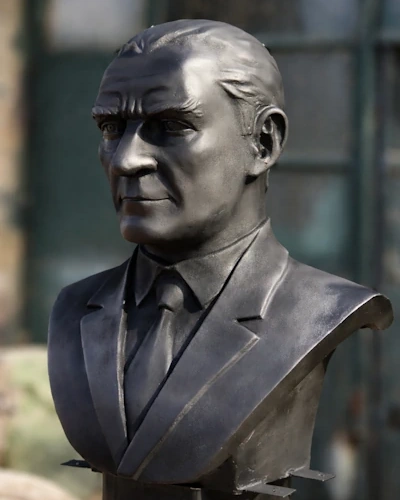
Then the actual craftsmanship begins. Cutting, carving, shaping, assembling... Every material has its own rhythm. A craftsman working in stone might advance a few centimeters per hour. Someone working with ceramics can cover far more ground in a day. A ready-molded Ataturk Bust, for instance, benefits from both its smaller size and the existing mold - which can significantly cut down production time.
The final stage is surface treatment and drying or firing. Patina application on bronze, kiln time for ceramics, varnishing for wood... All of these add to the timeline. In short, saying "it's done" requires the sculpture to be fully finished, dried, and ready.
Production Times by Material
This is the part most people are curious about. Which material takes how long? As a general guide, here's how to think about it:
Plaster and resin sculptures are typically the fastest to produce. For a small to medium plaster sculpture, waiting somewhere between 3 and 10 days is reasonable. When a mold already exists, that timeline can shrink even further. Resin casting works at a similar pace, though drying and finishing steps may add a day or two.
Ceramic and porcelain sculptures take a bit longer. Shaping, drying, and firing are each separate time commitments. For a small ceramic sculpture, 1 to 3 weeks is a fair expectation. Larger pieces or work requiring multiple kiln runs can stretch beyond that.
Stone sculptures are among the most time-intensive. Hard stones like marble, granite, or travertine are labor-heavy when carved by hand. Even a small stone sculpture can take 2 to 4 weeks without anyone raising an eyebrow. Larger or highly detailed work can easily run 2 to 3 months.
Bronze sculptures also require a serious time investment. First a model is built in clay or another material, then a mold is made, then the casting happens. Add post-casting cleanup, welding, and surface finishing, and waiting 4 to 8 weeks for a medium-sized bronze piece is completely normal.
Wood carving depends entirely on the craftsman's pace and the type of wood. Softer woods move quickly; hardwoods like oak or walnut slow things down considerably. A small wooden sculpture might be finished in a week, while large detailed pieces can take months.
How Size and Detail Level Affect the Timeline
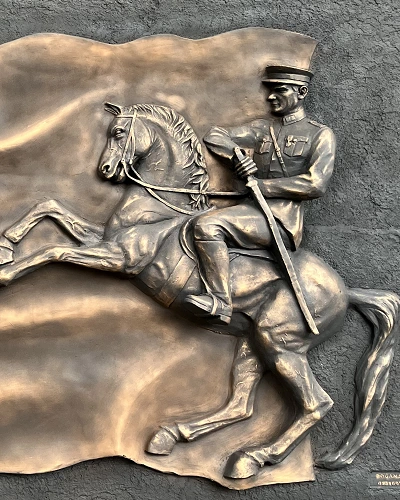
Size is one of the most direct factors in how long something takes. But a large sculpture isn't automatically a slow one. A large piece with a simple, geometric form can still come together relatively quickly. What really slows things down is detail. If you're considering an order from the Ataturk Sculptures category and you're adding a horse figure to the piece, the added scale and complexity will push the timeline up considerably.
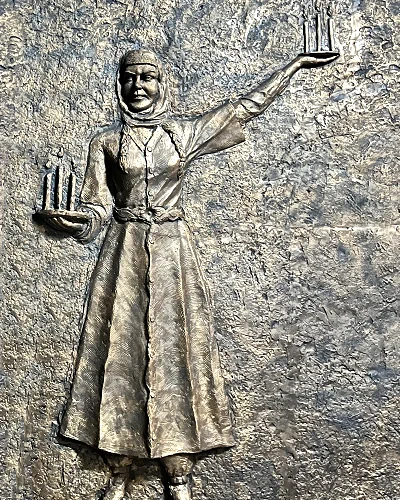
Facial contours, fabric textures, hair detail, hand and finger work... Each of these takes hours. Just finishing the face on a portrait sculpture can take days. That's why "how long does a 30 cm sculpture take" doesn't have a clean answer. Is it 30 cm with a simple form, or 30 cm packed with fine detail? There's a real difference between the two.
There's also the question of reproduction. A single original piece versus casting multiples from an existing mold are very different situations. Producing 10 copies from a ready mold takes far less time than making 10 original sculptures from scratch. Worth keeping in mind when placing an order.
How Does the Process Work for Custom Orders?
Custom work - meaning something designed and produced solely for you - starts differently. Most studios or artists begin with a consultation, asking for reference photos or sketches. That design and approval phase can take up to a week on its own.
Once you've given the green light, production starts. From there, timelines follow the material and size guides above. But there's also the possibility of revisions. If the first mockup or proof isn't quite right and changes are requested, the process extends. That's a normal and healthy part of the work - just account for it in your planning.
With custom orders, being patient, giving clear feedback, and keeping communication open makes things easier for everyone involved. Instead of asking "when will it be done," asking "which stage are you at" tends to get you far more useful information.
Shipping and Delivery Is a Separate Calculation
Production being finished doesn't mean you're done waiting. Shipping and delivery needs to be part of your planning too. Large or fragile sculptures often require custom packaging, which can add another 1 to 3 days.
Domestic shipping within Turkey typically runs 1 to 5 business days. International orders, customs clearance, and pieces requiring specialty transport can stretch that into weeks. So if you're ordering a sculpture for an event or a specific date, placing the order at least 2 to 3 weeks ahead is a sensible rule of thumb. For custom work or materials like stone and bronze, you'll want to move that window even earlier.
So What's the Fastest a Sculpture Can Be Delivered?
For a small, plaster or resin piece cast from an existing mold with straightforward finishing, 3 to 5 business days is a realistic timeframe. Some studios with stock items can even ship same-day.
But for custom work, large scale, or labor-intensive materials, stretching that out to 4 to 8 weeks - or longer - is entirely normal. That's not slowness. That's just what quality craftsmanship looks like.
Questions to Ask Before You Order
Having a few questions ready before you reach out to a studio or artist can save you from unnecessary surprises. What material will be used, what size and level of detail, is it an original or a reproduction, how backed up are they with orders right now, and what's the estimated delivery date. The answers to those questions will give you a much clearer picture of what to expect.
Date Added: | Last Updated: