How Long Do Sculptures Last? Lifespan by Material
When ordering or purchasing a sculpture, one of the first questions that comes to mind is probably this: how long will it last? A very reasonable question, because a sculpture is an investment placed in a garden or at the entrance of an institution, one that will stand there for decades. The answer, however, varies dramatically depending on the material. Some materials look as good as new after 50 years, some need maintenance within 10 years, and some deteriorate much faster under the wrong conditions.
How Long Do Bronze Sculptures Last?
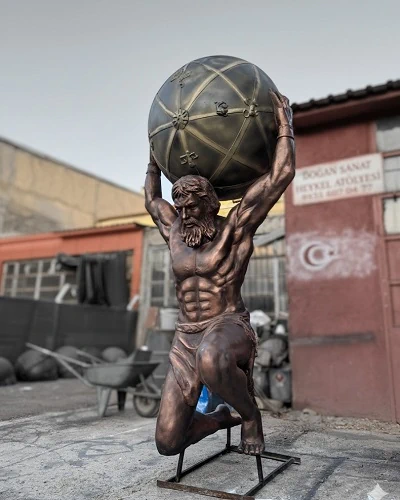
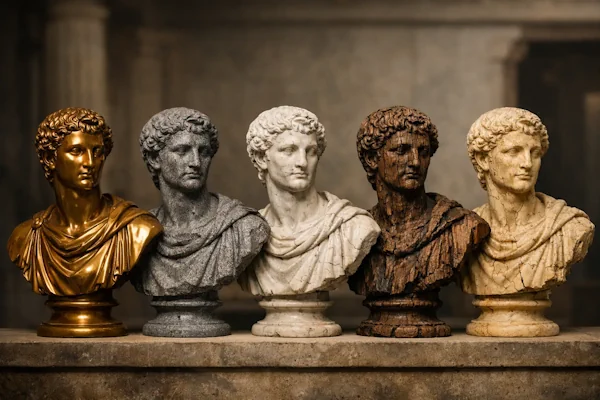
Bronze is one of the most time-tested materials in the world of sculpture. When you consider that bronze works made thousands of years ago are still standing today, it becomes clear just how long-lasting this material can be. A bronze sculpture placed in a sheltered outdoor area can last 200-300 years or more with proper care. One of the most prominent examples of outdoor sculptures is the Ataturk Bust, which can be found widely across outdoor spaces.
The patina layer that bronze develops over time, that blue-green oxidation appearance, adds depth to the piece while also acting as a natural shield protecting the sculpture against external elements. In other words, bronze aging actually makes it more durable. Applying protective wax and polish every few years extends this process even further.
The Lifespan of Marble Sculptures
Marble is a material that can last for generations when used indoors. The fact that marble works from antiquity are still displayed in museums already proves this. Indoor marble sculptures protected from moisture and temperature fluctuations can be used well beyond 100 years with proper care.
Outdoors, the picture is a little different. Acid rain, freeze-thaw cycles, and prolonged moisture erode marble, and surface details can dull over time. Outdoor marble sculptures must be treated with natural stone protective products at regular intervals. Even with all precautions taken, a realistic life expectancy of 50-80 years is reasonable depending on climate conditions.
The Lifespan of Granite and Other Stone Sculptures
Granite sits at the top of the stone family in terms of durability. With its dense and hard structure, it is extremely resistant to moisture, frost, and air pollution. Granite, which can last over 100 years outdoors with virtually no maintenance, is frequently preferred for cemetery monuments and permanent outdoor projects for this reason.
Travertine, on the other hand, has a more porous structure and requires more attention outdoors. Its porous nature absorbs moisture and is more quickly affected by climate changes. While travertine is long-lasting indoors, it requires careful positioning and regular protective treatment when used outdoors.
The Lifespan of Wooden Sculptures
Since wood is an organic material, it varies greatly depending on conditions. A wooden sculpture kept indoors at stable humidity and temperature can remain problem-free for decades. Looking at historical examples, it is also seen that under proper preservation conditions they have stood for centuries.
Outdoors, the situation changes. Moisture is wood's greatest enemy. Wood that gets wet and dries out repeatedly will crack, deform, and rot over time. Wooden sculptures intended for outdoor use need to be protected with special exterior paint and impregnation treatment, and mounted without direct contact with the ground. Even with all precautions taken, a realistic expectation for an outdoor wooden sculpture is 15-25 years. This does not make wood a bad material, it simply makes it a material that should be used in the right place.
Polyester and Fiberglass Sculpture Lifespan
Polyester and fiberglass sculptures, which have become very popular in decorative and commercial spaces in recent years, gained popularity thanks to their lightweight nature and ease of production. However, the lifespan of these materials is more limited compared to others. Polyester exposed to direct sunlight will yellow over time, its surface will become dull, and it will grow brittle.
Lifespan increases for pieces with quality UV protective coating applied and used in shade or indoors. The general expectation for outdoor use is 10-20 years. Fiberglass is slightly more durable, but similar conditions apply. They offer a practical solution for budget-oriented, short-to-medium term projects.
Stainless Steel Sculptures Are a Different Story
Stainless steel is becoming an increasingly popular choice in modern sculpture projects. When the right grade is selected, it is an extremely long-lasting material outdoors. Grade 304 and 316 stainless steel show high resistance to rust and corrosion. Grade 316 is recommended in coastal areas due to salty air.
A stainless steel sculpture with a periodically cleaned surface can stand outdoors for 50-100 years without any issues. Maintenance is also quite simple compared to other materials; wiping it down with a damp cloth a few times a year is usually sufficient.
Installation Matters Just as Much as Material Selection
Even a sculpture made from the best material will fall short of its expected lifespan if mounted at the wrong angle on the wrong surface, or if maintenance is neglected. Whichever materials used in sculpture making you choose, it is important to pay attention to the manufacturer's experience, installation details, and maintenance instructions. Long lifespan begins not just with the material, but with the right application.
Date Added: | Last Updated: