Art gains value where material and originality meet
Determining the artistic value of a statue may seem straightforward at first glance, but it is in fact a highly layered process. The question of whether it is beautiful or not is merely the most superficial link in this chain. When evaluating a work, experts go far beyond its aesthetic impact; they read its art historical context, technical quality, originality, and market history together. When these four layers come together, a much clearer picture of the work's true value emerges.
Art Historical Context and Periodical Positioning
Which movement a statue belongs to and what the artist was trying to say at that time directly determines the cultural weight of the work. For example, an abstract statue produced at the beginning of the 20th century may represent a bold rupture of its era. Yet if the same work were produced today, it would be considered ordinary. Artistic value is largely dependent on context; a work without context cannot be positioned in art historical terms, and this directly diminishes its value.
Technical Mastery and Material Control
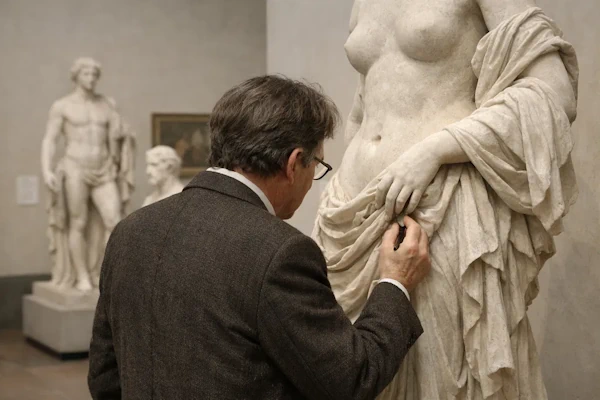
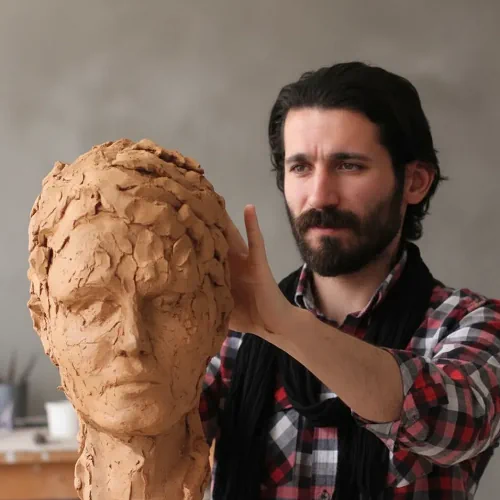
The degree to which the artist controls the material, the fineness of the surface craftsmanship, and the internal consistency of the forms are immediately apparent to an expert eye. The depth of carving on a marble surface, the casting quality of a bronze, or the way a stone has been cut — these are details that require both technical knowledge and long experience. A work with technical weakness, no matter how high its artistic originality, will struggle to gain value in the collector's market. Experts evaluate these details either by examining the work in person or by assessing high-resolution photographs, producing a technical rating accordingly.
Certificate of Authenticity and Provenance
Provenance — that is, the document of origin — is the most decisive factor in determining the commercial value of a statue. This document shows who made the work, which collections it has passed through, in which auctions it was sold, and where it has been exhibited. A work without documentation is always met with suspicion in the market. No matter how impressive it may appear, a statue with a broken provenance chain receives far lower bids at auction houses. For this reason, in the buying and selling of statues, paperwork is just as important as the physical condition of the work.
Artist Recognition and Market Dynamics
A retrospective exhibition, institutional awards, or permanent collection placements in major museums can significantly increase the value of an artist's works in a short period of time. Works by a deceased artist generally appreciate in value as supply comes to an end. For living artists, market prices move in parallel as international recognition grows. Artistic value is not solely an aesthetic judgment — it is also an economic and institutional construction.
Exhibition History and Institutional Endorsement
Which museums, biennials, or prestigious private collections a statue has been part of also directly affects its value. Institutional endorsement is a powerful tool of legitimacy in the art world. A work that has been shown at the Venice Biennale, documenta, or major art fairs carries a significantly higher value compared to a work of equal quality that has never been exhibited. For this reason, collectors carefully research exhibition history when purchasing a work.
If you were to ask us; the artistic value of a statue cannot be reduced to a single criterion. Art historical context, technical quality, provenance, artist recognition, and institutional endorsement — when all five of these layers are read together, the picture that emerges offers the closest approximation to the true value of the work. Being able to make this reading requires both art historical knowledge and market experience.
How Is the Artistic Value of a Statue Determined? FAQ
The monetary and artistic values of a sculpture do not always align. Market price is driven by the artist's reputation, provenance documentation, collecting trends, and supply-demand dynamics. Artistic value, on the other hand, is measured by aesthetic originality, technical mastery, and conceptual depth. Throughout history, works dismissed in their time have become museum masterpieces centuries later. A high price does not guarantee artistic quality, nor does a low price diminish artistic significance.
When carried out properly, restoration preserves artistic value and even supports it by ensuring the work's long-term survival. However, interventions that replace a large portion of original material or alter the work's authentic form can compromise artistic integrity. Internationally accepted restoration ethics prioritize reversible and fully documented interventions. An expert-approved, documented restoration does not negatively affect monetary value, while undocumented or excessive interventions can diminish both artistic and economic worth.
Size and weight do not directly determine artistic value, but they can have an indirect influence through the relationship a work establishes with its space. Monumental sculptures command a powerful presence in public settings, while small-scale works offer intimate, detail-rich narratives. For large sculptures, transportation, storage, and insurance costs raise the monetary price. Nevertheless, art history has produced masterpieces at both grand and miniature scales. What matters is not size itself, but the aesthetic impact achieved through scale and the artist's intent.
Material rarity is a significant factor influencing price, particularly within traditional sculpture practices. Scarce or costly raw materials such as marble, bronze, or gold raise production costs and this is reflected in the base price. In contemporary art, however, sculptures made from ordinary materials such as glass, plastic, or found objects can reach millions of dollars through the power of concept alone. Material rarity is therefore just one component affecting price; artist identity, conceptual originality, and market demand are often the deciding factors.
An artist's reputation significantly affects monetary value, but its influence on artistic value is debated. A famous artist's signature opens a work to international collector interest and dramatically raises auction prices. From an artistic standpoint, reputation shapes how a work is treated by institutions, its curatorial interpretation, and its place in art world discourse. However, art history shows that many artists overlooked in their lifetime were rediscovered after death. Artistic value is intrinsic to the work itself; reputation is an amplifier that makes it visible.
The prestige of the exhibition venue positively affects both the artistic perception and the monetary value of a sculpture. Works chosen by institutions such as MoMA, Tate Modern, or the Louvre gain international visibility, which directly influences the auction market. A strong exhibition history recorded in provenance increases buyer confidence and raises the price. In terms of artistic value, prestigious institutions contribute to a work's historical significance and attract increased attention from critics and academics. The venue is a critical element that shapes how a work is framed and the impression it leaves on the viewer.