What Is Proportion?
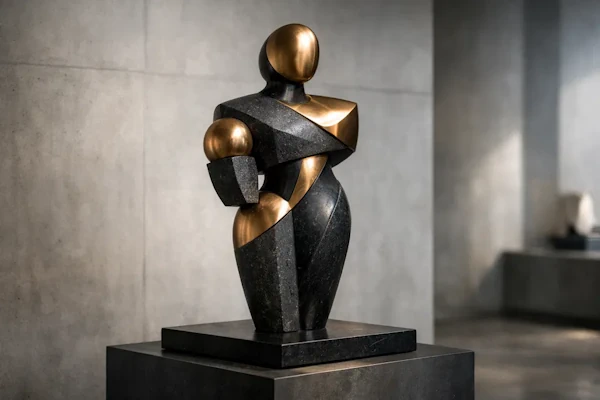
When you look at a sculpture or a painting, why do some works draw you in while others make you uncomfortable? Most of the time, the answer lies hidden in a single concept: proportion. Proportion, one of the cornerstones of art, architecture, and design, is not just a technical rule; it is the silent language behind beauty and harmony. This concept, which appears in every era from Ancient Greece to the Renaissance, from modern architecture to digital design, is one of the most powerful keys that explains why works feel "right."
What Is Proportion?
Proportion is the relationship of size, weight, and area between the parts that make up a whole. The ratio of a figure's head to its body, the balance between a building's windows and walls, or the relative size of objects in a painting; these are all concrete reflections of the concept of proportion. A correctly established proportion creates a sense of balance and calm in the viewer without them even realizing it. A broken proportion, on the other hand, causes discomfort; the eye simply cannot figure out where to focus.
Its Place in History: The Golden Ratio and Vitruvius
The search for proportion is as old as human history. Ancient Greek architects consciously used mathematical ratios when building their temples. Vitruvius presented the human body as the ideal model of proportion in his work on architecture. This understanding reached its peak centuries later in Leonardo da Vinci's famous Vitruvian Man drawing. On the other hand, the ratio of 1:1.618, known as the golden ratio, appears repeatedly both in nature and in art: from the spiral of a seashell to the facade of the Parthenon, from Van Gogh's paintings to modern logo designs.
Proportion in Art
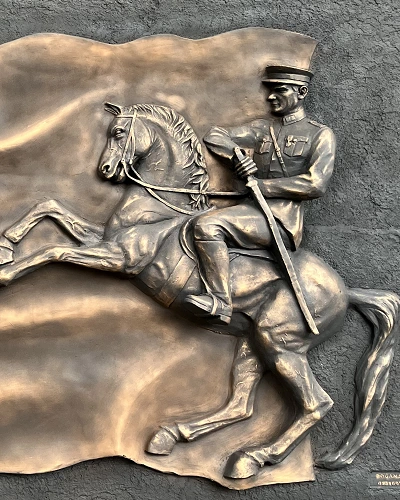
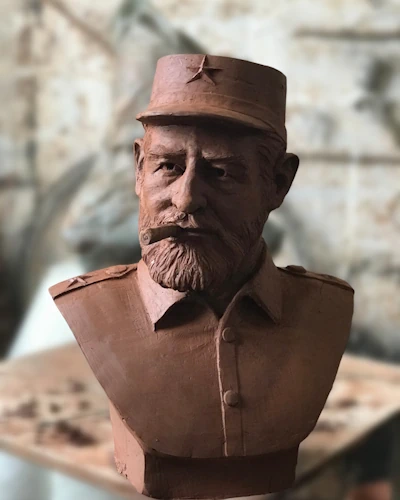
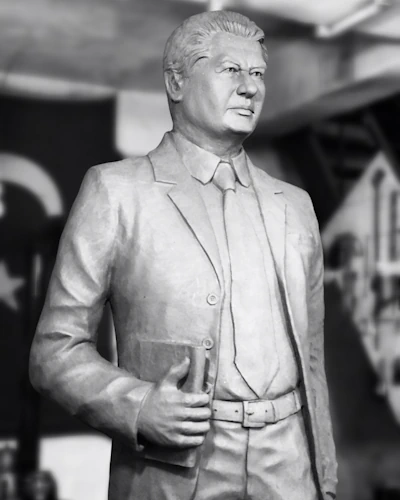
In painting, proportion determines how figures and objects are placed in relation to one another. Renaissance painters aimed to convey figure proportions flawlessly by studying human anatomy in depth. Michelangelo's David sculpture is still admired today as one of the most striking examples of the ideal human body in terms of proportion. However, not every artist is obliged to follow the rules of proportion; El Greco's elongated figures or the deliberate disproportions of the Mannerist period have also been used as a means of expression.
Proportion in Architecture
Architecture is perhaps the field where the concept of proportion is felt most concretely. If you feel small when entering a building, or conversely feel embraced, there are conscious proportion decisions behind that feeling. Classical architecture has constructed every detail, from column heights to cornice ratios, within a mathematical harmony. In modern architecture, the Modulor system developed by Le Corbusier aimed to determine the interior and exterior proportions of buildings based on the human body. The comfort of the cities, buildings, and public spaces we design today also depends largely on proportion decisions.
Proportion and Human Perception
The human brain finds proportional faces and forms more attractive. Research reveals that the perception of symmetry and proportion has an evolutionary root; our brains interpret order and balance as signs of health and safety. That is why even a small proportional error in a portrait painting can disturb the viewer. The rule of thirds used in photography, the understanding of hierarchy in graphic design, the selection of clothing according to body proportions in fashion design; these are all different reflections of proportion knowledge that has seeped into everyday life.
Proportion in the Digital Age
In today's world where technology has transformed the design world, the concept of proportion has not only maintained its importance but has become even more critical. Interfaces that scale according to screen sizes in web design, button and text ratios in mobile applications, the compositional balance in social media visuals; all are based on the principles of proportion. UX and UI designers know well that the most fundamental factor determining how users interact with a screen is visual ratio balance. Even artificial intelligence-powered design tools have built proportion rules into their algorithms.
Can Proportion Be Learned?
Although a sense of proportion is partly innate, it can largely be developed through observation and practice. One of the first steps in art education is to learn to grasp proportions by carefully observing nature and the human body. Workshop studies, live model classes, and copying classical works are among the most effective methods for strengthening the instinct for proportion. Every aspiring artist who studies the great masters of art history, questions their decisions, and trains their own eye can over time develop a strong intuition for proportion.
Date Added: