What is Patina?
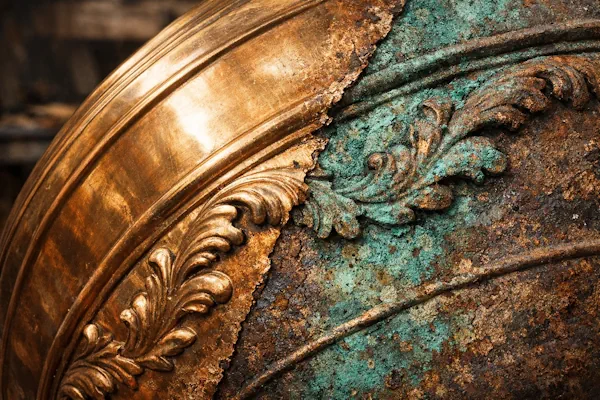
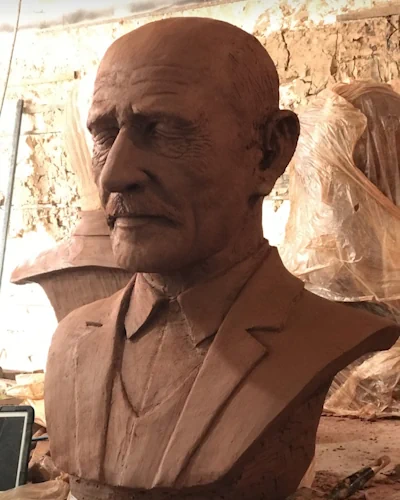
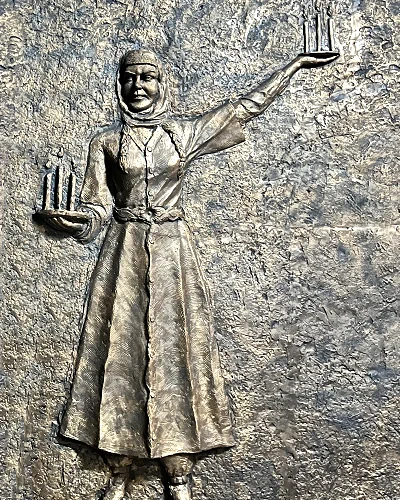
One of the most frequently heard yet rarely fully understood concepts in the world of sculpture, patina is the name given to the natural or artificial chemical change that a surface acquires over time. The word is of Italian origin and means a thin layer that forms on a surface. The most well-known example of patina is the distinctive greenish or brownish appearance that bronze sculptures develop over time. However, patina is not limited to metal alone; this process is also observed in many different materials such as wood, stone, leather, and ceramics. Spanning from the earliest periods of art history to the present day, this concept can be the product of both natural aging and deliberate artistic intervention.
How Does Patina Form?
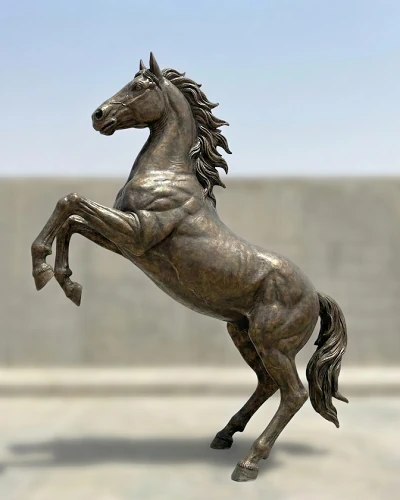
The formation process of patina varies depending on the chemical composition of the material and the environmental conditions. In metals such as bronze and copper, patina develops as a result of an oxidation process triggered by atmospheric factors such as oxygen, moisture, carbon dioxide, and salt air. During this process, copper oxide forms first on the surface of the metal, followed by compounds such as copper carbonate and copper sulfate. Over time, these compounds transform into that familiar blue-green or brownish color layer. Under natural conditions, this process can take decades or even centuries. The patina layer on a bronze sculpture from the Roman period can sometimes reach a thickness of several millimeters. On stone surfaces, patina progresses differently; color changes and thin accumulation layers occur on the surface depending on water, acid, and mineral content. On wood, sunlight, moisture, and mechanical friction combine to produce a gradually deepening, matte, and silky surface appearance.
The Place of Patina in Sculpture Art
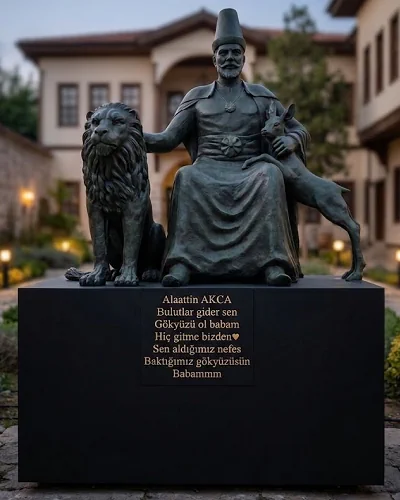
In sculpture art, patina is an element that directly influences the visual identity of the work. Throughout the historical process stretching from ancient Greece and Rome to the Renaissance and on to the modern age, patina has been valued both as a natural outcome and as a deliberate aesthetic choice. Historians and art critics argue that patina lends a work not only visual depth but also historical weight and credibility. Indeed, many collectors and museums prefer to preserve the natural patina layer on bronze sculpture works as it is, without intervention. The green patina on the surface of a sculpture that has stood outdoors for centuries is the most tangible proof of its past and durability. From this perspective, patina is time's touch upon the sculpture and the material's dialogue with history.
The Difference Between Natural Patina and Artificial Patina
Patina appears in two fundamental forms: natural patina and artificial patina. Natural patina forms on its own over years, decades, or even centuries without any human intervention. Chemical reactions progress slowly and a different appearance emerges in each work. For this reason, no two naturally patinated works look the same; each is the product of its own unique aging process. Artificial patina, on the other hand, is a technique in which the natural process is deliberately replicated using chemical solutions, paints, or heat treatments. Sculptors may apply artificial patina to their works immediately after casting in order to give them a specific color and texture. Chemical substances such as ammonia vapor, copper nitrate, iron sulfate, and various acid mixtures are used for this purpose. After application, the surface is typically sealed with a protective varnish or wax layer. Artificial patina makes it possible to achieve within hours the appearance that the natural process would reach over months and years; however, an experienced eye can usually distinguish between the two.
Patina Maintenance and Preservation
Preserving the patina layer on a sculpture is of great importance for the longevity of the work. Patina, especially when formed naturally, is in a sense the product of the metal protecting itself; therefore, any intervention that would cause its destruction must be avoided. Incorrect cleaning products, abrasive substances, or inappropriate mechanical interventions can damage the patina and irreparably compromise the appearance of the work. When carrying out sculpture maintenance, the basic rule is to use a soft cloth and pH-balanced water free of chemicals. For bronze sculptures displayed outdoors, it is recommended to apply wax or a protective coating at least once a year. This process both protects the patina and limits the surface's direct contact with external factors. For works displayed in enclosed spaces, keeping the humidity level stable and protecting them from direct sunlight are the most effective methods for preventing patina deterioration.
The Sculptor's Patina Preference
For modern and contemporary sculptors, patina is not merely an outcome but a deliberate artistic decision-making process. A sculptor may have decided long in advance which patina color and texture they want after completing their work. A sculpture with black patina evokes power and determination, while a work with green patina creates a visual connection with ancient cultures and a sense of historicity. Brown tones, on the other hand, offer warmth and a connection to the earth. The sculptor makes these color and texture choices not only out of aesthetic concern but also with the aim of enriching the layers of meaning within the work. The choice of patina is also directly related to the space where the work will be placed; for outdoor monument sculptures, it is of great importance to prefer patina and coating solutions that also take long-term durability into account.
Date Added: