What Is a Model?

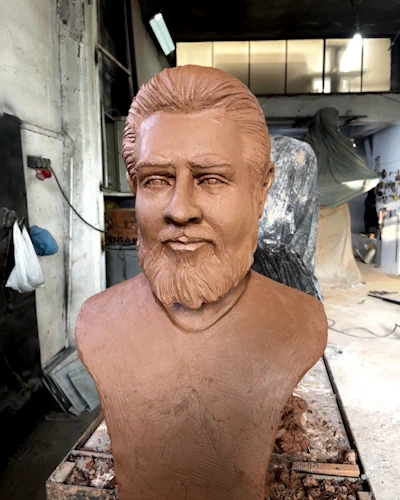
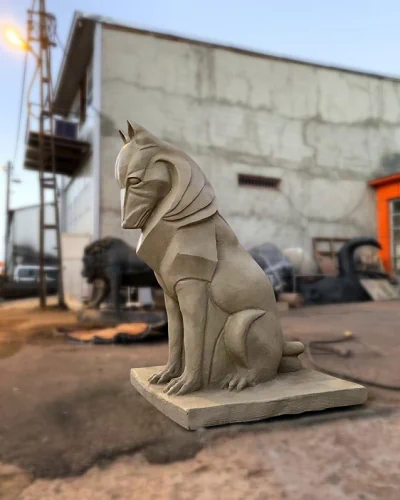
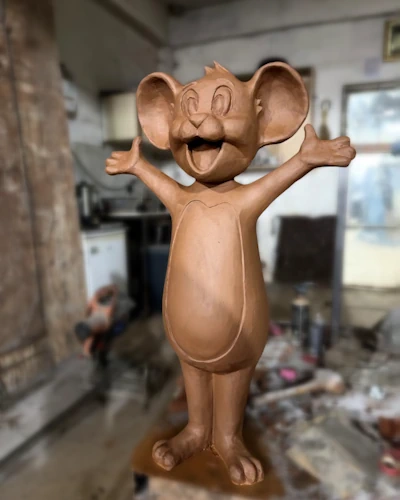
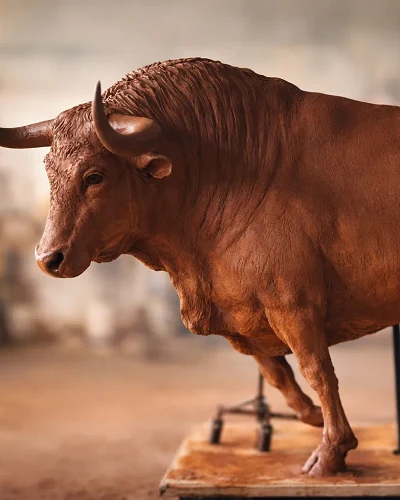
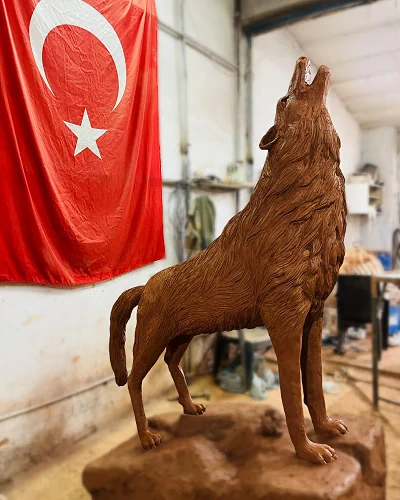
A model is the person, object, or any entity that stands before the sculptor as a reference for the creation of a sculpture. This structure, which gives concrete form to the artist's vision, constitutes the fundamental starting point of the production process. Prepared from shapeable materials such as clay, wax, plaster, or polyurethane, the model serves as the basis for both testing the design and creating the casting mold.
The Role of the Model in Sculpture Production
In the art of sculpture, the model serves as a bridge. It is the most critical link between the artist's abstract idea and the final work. A master sculptor determines the overall proportions, surface texture, and dynamics of movement at this stage. Any error or proportion issue can be noticed and corrected at the model stage, which prevents material waste during the casting process. The accuracy and quality of the model directly affect the success of the final work.
Materials Used in Model Making
Sculptors have used different materials for model making throughout history. The most common choice is clay, due to its ease of shaping and ability to capture fine details. Clay can be worked on as long as it is kept moist, giving the artist the freedom to make corrections. Wax, on the other hand, functions as both a model and a mold material, especially in the lost-wax casting method. Today, some artists use digital modeling software to create three-dimensional models, making the process even more precise.
The Difference Between a Model and a Prototype
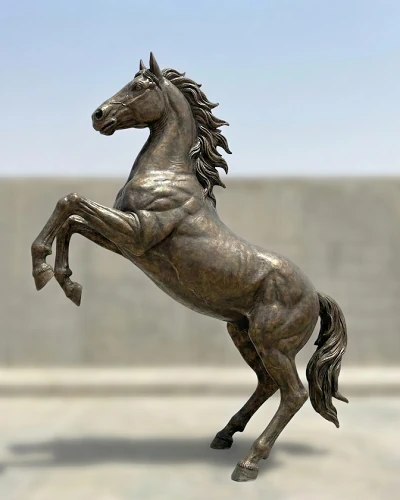
Although the concepts of model and prototype are sometimes used interchangeably, there is a clear distinction between the two when it comes to the art of sculpture. A model is the original structure created by the artist that defines the form of the work. A prototype, on the other hand, refers to a repeatable reference piece prepared primarily for mass production or replication. In the case of a bronze sculpture, the clay or wax work prepared by the artist is defined as the model, while the mold ready for casting is closer to what a prototype represents.
The Use of Models Throughout History
Ancient Greek and Roman masters would prepare small-scale models before producing large-scale sculptures. These small works are also called maquettes and allow the artist to evaluate the composition from all angles. During the Renaissance, masters such as Michelangelo and Donatello prepared their models with great care, and these drafts came to be regarded as works of art in their own right. Today, historical models are displayed as a separate collection category in the world's leading museums.
Models and Technology Today
In contemporary sculpture studios, traditional model-making methods and digital technologies are intertwined. Artists can convert models created with computer-aided design programs into physical form using three-dimensional printers. This method provides great convenience especially for complex geometric forms. However, many master sculptors continue to prefer the traditional handmade model, citing the intuitive connection created by physical contact with the material. Both approaches are recognized as legitimate and valuable methods in contemporary sculpture. At Heykel.org, we continue to produce handcrafted sculptures.
Date Added: