Tokyo National Museum - Tokyo, Japan
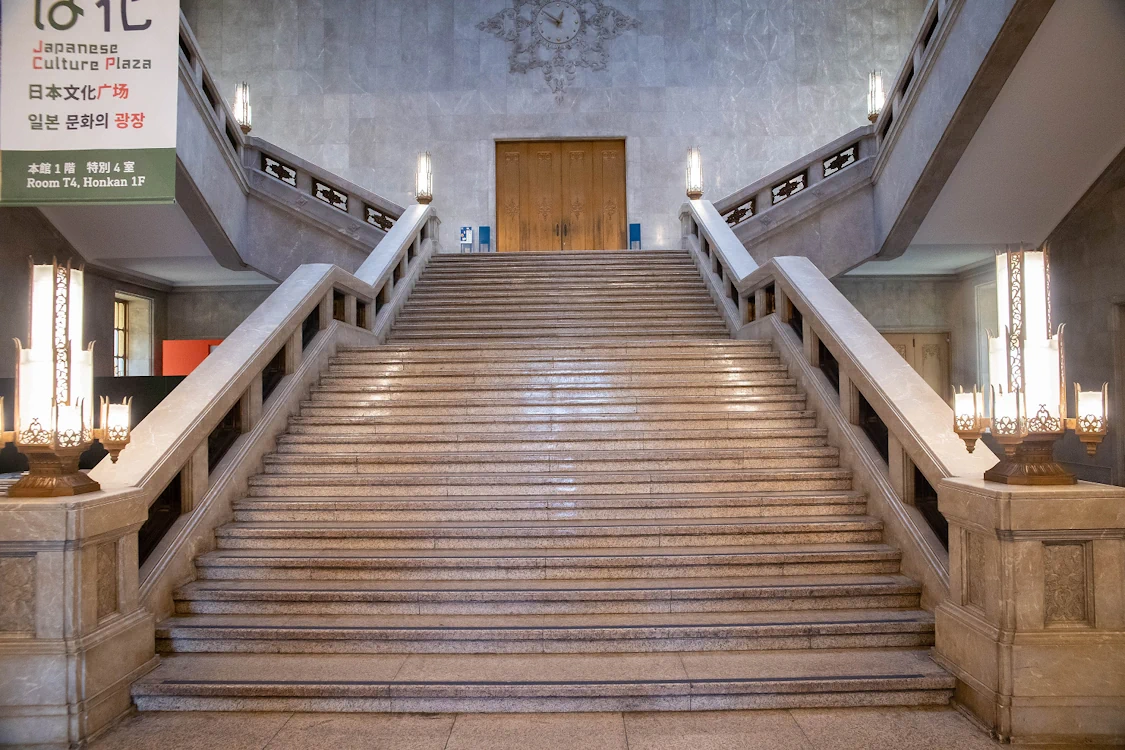
In the Ueno district of Tokyo, the capital of Japan, nestled within the wooded and peaceful atmosphere of Ueno Park, Japan's most established and comprehensive cultural institution connects visitors with the past every day: the Tokyo National Museum. Founded in 1872 as the oldest museum in Japan, this institution forms the most extensive archive of Japanese art and culture with a collection of approximately 120,000 works. In terms of both the richness of its collection and its architectural integrity within Ueno Park, the Tokyo National Museum is at the top of the list of must-visit places for every art and history enthusiast visiting Japan.
History and Development of the Museum
The history of the Tokyo National Museum runs parallel to Japan's modernization process. Starting with the first exhibition held at the Yushima Seido temple in 1872, this process gained new momentum when the museum moved to its current Ueno location in 1882. Since then, the growing collection and evolving exhibition approach have turned the museum into much more than just a national treasure storehouse. Today, the museum complex consists of five separate buildings, each focusing on a different area of expertise. The main building, Honkan, is dedicated to Japanese art; Toyokan houses Asian arts; and Heiseikan hosts special exhibitions and Japanese archaeology. Additionally, the Gallery of Horyuji Treasures, which forms one of the world's most important archives of Buddhist art, is an integral part of the complex.
Scope of the Collection and Highlighted Works
The Tokyo National Museum's collection covers all periods and genres of Japanese art. From Jomon period ceramics and haniwa figures to elegant manuscripts of the Heian period, powerful samurai armor of the Kamakura period, and colorful ukiyo-e prints of the Edo period, this collection completely conveys thousands of years of the artistic heritage of Japanese civilization. The museum houses 89 Japanese National Treasures and 644 Important Cultural Properties; these figures alone illustrate how exceptionally significant the collection is. Furthermore, the Toyokan building, dedicated to Chinese, Korean, and South Asian art, provides the museum with a broad vision encompassing all East Asian civilizations, far beyond a Japan-centered perspective.
Atmosphere of the Museum and Relationship with Ueno Park
The most special aspect of visiting the Tokyo National Museum is the relationship it builds with Ueno Park, where it is located. The park, which overflows with cherry blossoms (sakura) in the spring, turns the journey to the museum into an unforgettable experience in itself. The Japanese garden encountered after passing through the main entrance of the museum is one of the rare places that detaches the visitor from the noise of the city and gives the feeling that time has slowed down. Visiting especially in the early morning hours offers both a quieter experience and an opportunity to establish a much deeper connection with the collection.
Importance in Terms of Tourism and Cultural Heritage
The Tokyo National Museum is a priority destination that should be on the itinerary of every tourist visiting Japan. Along with other museums in Ueno Park, Senso-ji Temple, and Akihabara, the museum constitutes one of the undisputedly most important stops on Tokyo's cultural tourism route. For visitors interested in Japanese art, Buddhist iconography, and East Asian civilizations, this museum offers content of a quality and scope that cannot be found anywhere else in the world. With an institutional history of over 150 years, the Tokyo National Museum continues to be the strongest institutional expression of the respect Japan shows for its own cultural heritage.
Date Added: