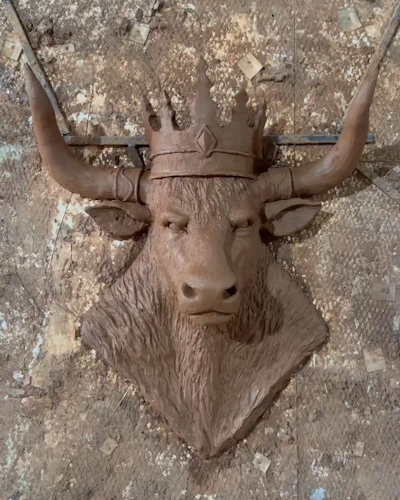
Shanghai Museum - Shanghai, China
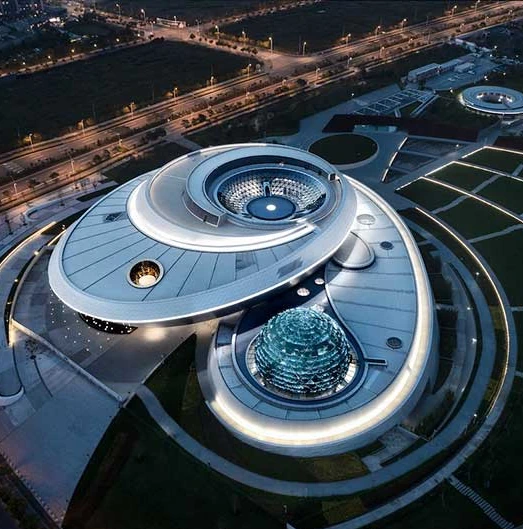
In Shanghai, China's global trade and financial hub, right at the heart of People's Square and under the shadow of the city's neon-lit skyscrapers, a treasure house containing the most exquisite works of ancient Chinese civilization fascinates visitors: The Shanghai Museum. In this world metropolis where modern architecture is far more dominant, the Shanghai Museum is a unique institution that builds a bridge between the past and the future through an artistic language. The permanent collection, consisting of over 120,000 works, presents the most distinguished examples of Chinese art ranging from bronze craftsmanship to ceramics, calligraphy to jade sculpture, offering visitors the opportunity to embark on a thousands-of-years-long cultural journey in a short time.
History of the Museum and the Story of Its Building
The first version of the Shanghai Museum was established in 1952 and operated in several different locations during its first decades. The current iconic building was opened in 1996 and has attracted great interest with its architecture. The design of the building is inspired by the traditional "round sky, square earth" philosophy, which represented heaven and earth in ancient China; the round top and square base give the structure a symbolic identity that is both modern and connected to deep-rooted Chinese tradition. This architectural choice takes the museum beyond a mere exhibition space, making it a work of art in its own own right.
The extensive expansion project, expected to be completed by 2025, will allow the collection to be exhibited in a much larger area. The New Shanghai Museum is being built in the Pudong district and will earn the title of one of the world's largest Chinese art museums upon completion. This development is considered one of the largest investments made in Shanghai's cultural infrastructure.
Richness of the Collection and Highlighted Galleries
The permanent collection of the Shanghai Museum is divided into eleven main galleries, each delving deep into a different dimension of Chinese art. The bronze gallery is one of the museum's most impressive sections; ritual vessels from the Shang and Zhou dynasties clearly reveal the extraordinary level of the casting art of that period. In the ceramics gallery, it is possible to trace the evolution of porcelain art, one of China's most lasting contributions to world art history. This journey from the underglaze paintings of the Tang period to the blue-and-white porcelain of the Ming period justifies visiting the museum on its own. The calligraphy and painting galleries clearly demonstrate how different the philosophical foundations of Chinese art are from its Western counterparts.
The gallery dedicated to the art of minority peoples adds a highly unique identity to the museum. Traditional costumes, jewelry, and ritual objects belonging to China's 55 ethnic minority groups present the country's cultural diversity through a visual language. This section offers a perspectival shift that fundamentally challenges the superficial view that identifies China only with Han culture.
Visitor Experience and Practical Information
The Shanghai Museum stands out with its free admission; however, as the daily number of visitors is limited, online reservation in advance is required. Since the museum is within walking distance of the People's Square metro station, it is easily accessible from any point in the city. The audio guide system is available in many languages and provides an extremely valuable resource for grasping the historical context of the works. Early morning visits during busy periods provide both a calmer experience and the opportunity to establish a deeper connection with the collection.
Importance for Tourism and Cultural Heritage
The Shanghai Museum offers one of China's highest-quality museum experiences and has won great acclaim from both local and foreign visitors. Along with iconic Shanghai routes like the Bund, Yu Garden, and Xintiandi, the museum is an essential stop on the city's cultural tourism map. Especially for visitors interested in Chinese art, Bronze Age archaeology, and Eastern aesthetics, this museum offers an experience that cannot be found elsewhere in the world with this quality and density. For those who want to feel the cosmopolitan energy of modern Shanghai and the silent depth of ancient Chinese art together, this museum will continue to be one of the city's most meaningful stops.
Date Added: