Neues Museum - Berlin, Germany
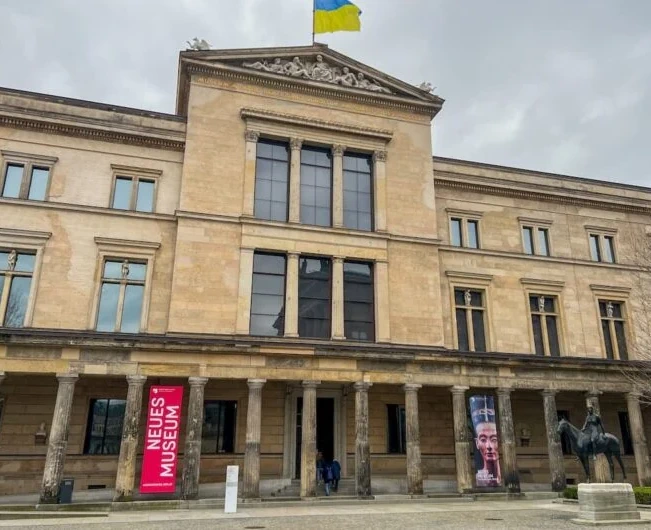
The Neues Museum, located on Berlin's Museum Island, is a prestigious archaeology and cultural history museum housing some of the most important works in world art history. Bringing together artifacts from Ancient Egypt, Near Eastern civilizations, and prehistoric periods, the museum has a deep-rooted history, despite its German name meaning "New Museum." The original building, designed by Friedrich August Stuler, opened in 1855 and has housed the world's most valuable archaeological artifacts for over a century.
History of the Neues Museum
The history of the Neues Museum dates back to the mid-19th century. The neo-classical building designed by architect Friedrich August Stuler was constructed between 1843 and 1855, reflecting the most modern museum concept of the time. The building was heavily damaged during World War II and remained in ruins for many years. Following German reunification, restoration work was led by the world-renowned British architect David Chipperfield. Chipperfield adopted a unique restoration philosophy that consciously preserved the traces of the past by combining damaged sections of the original structure with modern materials. Reopened in 2009, the museum received great interest in the architectural world for this bold approach and was honored with numerous awards.
Bust of Nefertiti: The World's Most Famous Statue
The most important work that makes the Neues Museum world-famous is the Bust of Nefertiti, dating back to 1345 BC. Created in the workshop of the Ancient Egyptian sculptor Thutmose, this bust depicts Queen Nefertiti, the wife of Pharaoh Akhenaten. Made of limestone covered with stucco and polychrome paint, the bust is also notable for its asymmetrical eyes. The left eye is empty, which remains a subject of debate as to whether it was a deliberate choice or an unfinished detail. With her elegant facial features, long neck, and iconic crown, the Bust of Nefertiti has gone down in art history as one of the most impressive sculptures of the ancient world. The bust was brought to Germany in 1912 and has been exhibited in Berlin ever since. While the Egyptian government's requests for repatriation remain current, the bust continues to be the most precious treasure of the Neues Museum.
Ancient Egyptian Collection
Beyond the Bust of Nefertiti, the Neues Museum possesses an extremely rich Ancient Egyptian collection. Mummies, sarcophagi, papyrus scrolls, shabti figurines, statues of gods, and everyday objects form the main elements of this collection. Artifacts belonging to different Egyptian dynasties and periods comprehensively reveal the evolution of Egyptian civilization over thousands of years. Large-scale sculptures and architectural pieces are exhibited in the museum's grand halls, while small-scale objects are meticulously preserved in special display cases.
Prehistory and Early History Collection
Another important section of the museum is dedicated to artifacts from Europe's prehistoric and early historical periods. A wide range of collections is presented, from Stone Age tools to Bronze Age objects, and from early Medieval artifacts to findings from the Viking era. In this section, gold objects known as the Treasure of Troy, found by Heinrich Schliemann during excavations in Turkey in the 1870s, attract particular attention. Schliemann's Trojan findings are among the most controversial and exciting discoveries in the history of archaeology.
Architecture and Restoration
The Neues Museum building itself is a work of art. David Chipperfield's restoration earned great acclaim for its principled approach that accepted war wounds as part of history rather than hiding them. Damaged wall surfaces were filled with modern materials, but the distinction between the original and the new was intentionally preserved. This approach has transformed the museum building into a richly layered work of art, both historically and architecturally. Visitors have the opportunity to examine not only the exhibited works but also the building itself with deep admiration.
Visitor Information
The Neues Museum is located on Berlin's Museum Island, right next to the Pergamon Museum. To visit both museums, purchasing a Museum Island daily combination ticket is an economical and practical choice. To see the Bust of Nefertiti, it is strongly recommended to buy your tickets online in advance, especially during peak periods. Photography is allowed inside the museum, but the use of flash is prohibited. For sculpture and archaeology enthusiasts, the Neues Museum promises one of the most impressive experiences that Berlin and the world have to offer.
Date Added: