National Museum of Denmark - Denmark, Copenhagen
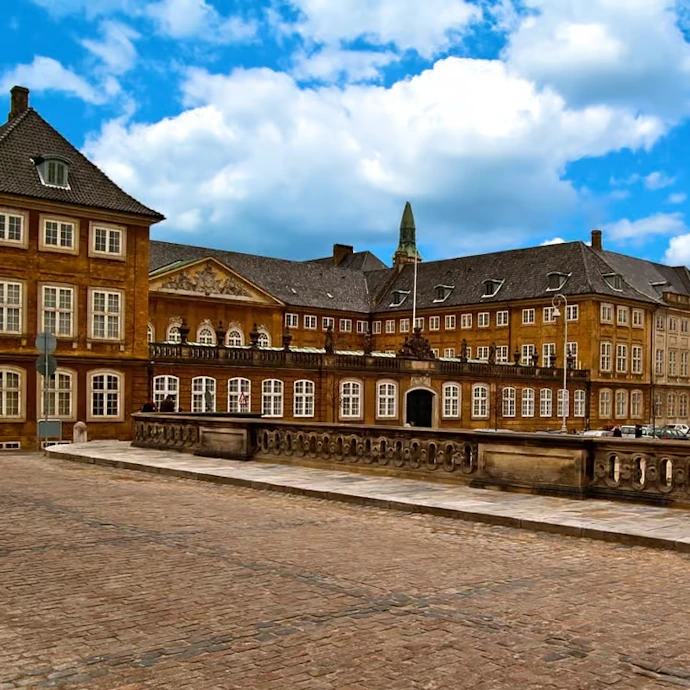
Yo, check it. In Copenhagen, Denmark's capital, right near the historic city center and in the culturally rich Slotsholmen Island, one of Northern Europe's most comprehensive and prestigious cultural institutions opens its doors to visitors every day: the National Museum of Denmark. Known as Nationalmuseet, this deep-rooted institution is home to the most extensive collection that tells the story of Danish history and culture, non-stop, from the Stone Age to today. This rich collection, spanning from Viking-era artifacts to medieval treasures, Renaissance furniture to ethnographic collections, turns the museum into one of the most important places not just for Denmark's but for all of Scandinavia's cultural heritage to be preserved and shared. Straight up.
The Museum's History and How It Got Started
The foundations of the National Museum of Denmark were laid on a vision in the late 18th century, based on sharing royal collections with the public. With the establishment of the Museum Commission in 1807, the effort to gather and systematize scattered royal collections gained an official framework. The museum's main building today is the Prince's Palace, dating back to the 17th century; this historic structure adds another historical layer to the museum, way beyond just being an exhibition space. The collection, which has grown systematically over centuries, now forms Denmark's most comprehensive cultural archive with over two million artifacts. Word.
One of the most defining contributors to the museum's development was Christian Jurgensen Thomsen. Considered the world's first professional museum director, Thomsen developed the "Three-Age System" for dating based on materials used in prehistoric times. This classification, known as the Stone Age, Bronze Age, and Iron Age, formed the basis of archaeological science and is still used today. Being able to see the collections where this revolutionary idea was born makes the visit super meaningful. For real.
What's in the Collection and the Must-See Stuff
The National Museum of Denmark's collection covers a super wide range, chronologically and geographically. The Trundholm Sun Chariot, dating back to 1400 BC and one of Europe's best-preserved prehistoric artifacts, is one of the museum's most eye-catching objects. Viking-era weapons, jewelry, ship parts, and everyday items open a unique window into the military and cultural world of that period. In the medieval section, gold and silver religious objects collected from Danish churches display the artistic finesse of the era in all its glory. The museum's ethnographic collection is also super impressive; spanning from Greenlandic Inuit culture to African, Asian, and American cultures, this collection takes the museum beyond just Danish history, giving it a universal dimension. No cap.
The Museum's Spatial Experience
The Prince's Palace building itself adds an extra layer of meaning to the museum. This structure, bearing the traces of 18th-century Baroque architecture, draws visitors into history even before they enter the exhibition halls. The courtyard, wide corridors, and high-ceilinged halls provide a spatial counterpart to the collection's grandeur. The museum's interactive section for children allows them to explore the Viking age with games and reenactments; this section turns the museum into an experience that includes not only adults but all family members. Dope.
Why It's a Big Deal for Tourism and Culture
The National Museum of Denmark is one of the most central stops on Copenhagen's cultural tourism route. Surrounded by iconic spots like Christiansborg Palace, Tivoli, and Nyhavn, the museum offers the richest cultural experience reachable within walking distance in the city center. Especially for visitors interested in Viking history, Danish culture, and Northern European archaeology, this museum offers content so deep that they won't find it anywhere else in the world. As one of Copenhagen's most visited museums by annual visitor numbers, Nationalmuseet successfully fulfills its mission of preserving and transmitting Denmark's cultural identity for both locals and the world. Word up.
Date Added: