National Museum of Anthropology - Mexico City, Mexico
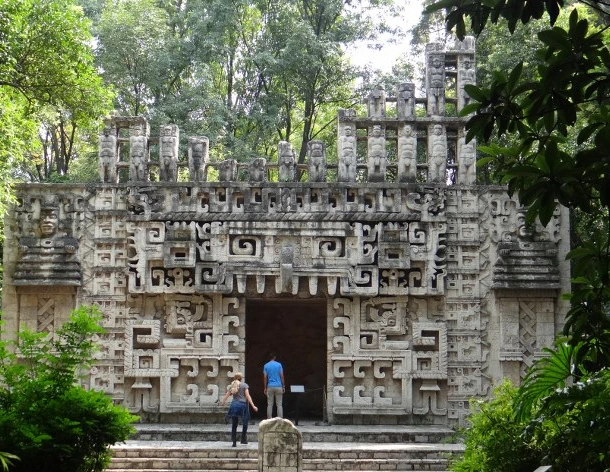
As one of the largest and most significant museums in Latin America, the National Museum of Anthropology (Museo Nacional de Antropología) sits at the absolute center of Mexico City's cultural and intellectual life. Opened in 1964, this magnificent structure is a unique institution that comprehensively documents Mexico's rich pre-Columbian civilizations, spanning a vast cultural geography from the Aztecs to the Mayans, and the Olmecs to the Zapotecs. With an exhibition area exceeding 44,000 square meters, the museum is one of those rare institutions that presents thousands of years of human civilization under a single roof. For scholars, history enthusiasts, and tourists from all over the world, this museum stands as one of the primary locations where the soul and identity of Mexico can be felt most deeply.
One of the museum's most striking features is its architecture itself. Designed by the renowned architect Pedro Ramírez Vázquez, the building is considered one of the most original examples in architectural history, particularly due to the massive single-column roof known as "El Paraguas" (The Umbrella) located in its central courtyard. The curtain of water falling from beneath this roof carries both aesthetic and symbolic meaning; water is an element of sacred importance in Mexico's pre-Columbian civilizations. As you wander through the museum, these architectural details further deepen the meaning of the artifacts on display.
Where is the National Museum of Anthropology, Information About It
The National Museum of Anthropology is located within Chapultepec Forest (Bosque de Chapultepec), Mexico City's most prestigious park. Its proximity to the city center and easy accessibility via public transportation networks make the museum a highly reachable destination for both locals and tourists. Chapultepec Forest also hosts many other museums, the Chapultepec Castle, and vast green spaces; this integrated cultural environment turns the museum from a mere stop into a full-day cultural tour destination.
Across the museum's 23 exhibition halls, items such as the Stone of the Sun (also known as the Aztec Calendar Stone), massive statues of Aztec deities, Mayan inscriptions, Olmec colossal heads, and thousands of archaeological artifacts are displayed. Each hall is dedicated to a specific civilization or geographical region; this arrangement makes it easier for visitors to grasp Mexico's pre-Columbian history within a chronological and geographical integrity. The ethnography section on the museum's upper floor documents the indigenous peoples of present-day Mexico and their living cultures.
Cultural and Scientific Importance of the Collections
The National Museum of Anthropology houses the most comprehensive and authentic collections of Mexico's pre-Columbian era. The artifacts in the museum are primary documents of utmost importance, not only for Mexican history but for the history of all humanity and civilization. Works revealing the beliefs, political structure, and artistic understanding of the Aztec Empire; artifacts documenting the extraordinary advancement of the Mayan civilization in mathematics, astronomy, and writing systems; and the mysterious colossal heads of the Olmec culture are among the museum's most precious treasures.
For every tourist visiting Mexico, the National Museum of Anthropology is the most indispensable stop on a Mexico City itinerary. This museum is the most comprehensive and impressive witness to thousands of years of American civilization—etched in stone, ceramic, and gold—reaching out to the modern age.
Date Added: