
National Gallery of Canada - Canada, Ottawa
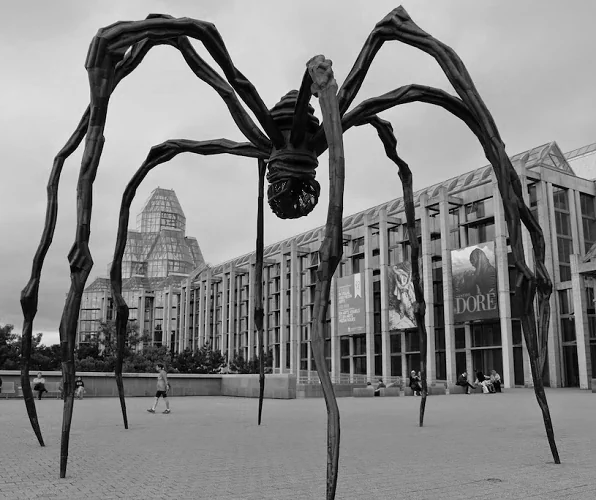
When you first look at that magnificent glass and granite building facing Parliament Hill in Ottawa, Canada's capital, you're overwhelmed with curiosity about what's inside. The National Gallery of Canada is not just an art museum; it is the most comprehensive address of Canada's cultural identity, historical memory, and artistic heritage. One of the most important art institutions in North America, this building welcomes millions of visitors from around the world every year and offers them an unforgettable experience filled with art.
History and Founding of the Gallery
The foundations of the National Gallery of Canada date back to 1880. Established after the first exhibition of the Royal Canadian Academy, the gallery started out with a modest collection. The growing collection moved to different buildings over the years, and with each move, the institution's prestige increased. The iconic building that visitors explore today opened in 1988. Designed by Canadian architect Moshe Safdie, this structure is a perfect example of how architecture can integrate with art. The glass domes and spacious, light-filled interiors bearing Safdie's signature give the building both a contemporary and elegant identity.
Architecture: A Dance of Glass and Granite
The National Gallery of Canada building has become an inseparable part of Ottawa's landscape. Facing the Rideau River and framing Parliament Hill and Notre-Dame Basilica, this structure engages in a seamless dialogue with the city's historic silhouette. The most striking element of Moshe Safdie's design is the main entrance hall resembling a large glass crystal cube. This massive glass structure both floods the interior with natural light and gives visitors a powerful hint about the experience they will have in the gallery. The long corridors, high ceilings, and exhibition areas on different levels inside take visitors on an exploratory journey.
Collection: A Spectrum Stretching from Canada to the World
The National Gallery of Canada's collection consists of approximately 95,000 works, the majority of which belong to Canadian art. However, the collection does not remain within national borders; it also houses important works from Europe, America, and Asia. The works of Canadian landscape painters known as the Group of Seven form the most valuable and most visited section of the collection. In addition, important examples of European painting from the Middle Ages to the present, Indigenous Canadian art, and contemporary artworks are also featured in the gallery. Home to works by names such as Rembrandt, Rubens, Monet, and Andy Warhol, the gallery presents a broad cross-section of world art history under one roof.
Louise Bourgeois's Spider: Maman
The giant spider sculpture standing in front of the National Gallery of Canada is probably one of the most recognized outdoor sculptures in the world. This bronze sculpture called Maman, created by French-American sculptor Louise Bourgeois, both fascinates and frightens visitors with its height of approximately 9 meters. Maman means "mother" in French; the marble eggs beneath the sculpture symbolize fertility and protection. This giant spider rising in front of the gallery building has over time become the symbol of both the gallery and Ottawa. With copies in different cities around the world, Maman is considered one of the most impactful sculptures in art history.
Indigenous Canadian Art and the Gallery's Special Significance
The National Gallery of Canada places special importance on the art of Indigenous Canadian peoples. This section of the collection presents works by First Nations, Métis, and Inuit artists together. This wide spectrum, ranging from traditional weaving to contemporary installations, reveals Canada's multi-layered cultural heritage. The fact that Indigenous art is displayed in such a comprehensive and respectful manner shows that the gallery is not just an art institution, but also an institution that takes on social responsibility.
Visitor Information and Practical Details
The National Gallery of Canada is located on Sussex Drive in the very center of Ottawa. Within walking distance of Parliament Hill, the gallery is one of the most easily accessible points in the city. Open to visitors on weekdays and weekends, the gallery keeps its doors open until evening on Wednesdays. While an admission fee is charged for the permanent collection, a separate fee may apply for special exhibitions. The library and archive within the institution also serve researchers. The gallery's restaurant and gift shop are among the elements that complete the visit.
Cultural Significance and Its Place in Canadian Identity
The National Gallery of Canada is, beyond being an art institution, also part of the way Canada presents itself to the world. Canada, reinforcing its multicultural structure through art, reveals both its internal diversity and its connection to the international art world through this gallery. The major exhibitions, educational programs, and public events organized every year transform the gallery into a meeting point not just for art enthusiasts, but for all the people of Ottawa. This institution, which can be described as Canada's artistic conscience, brings together the country's past, present, and future through the universal language of art.
Date Added: