Munch Museum - Norway, Oslo
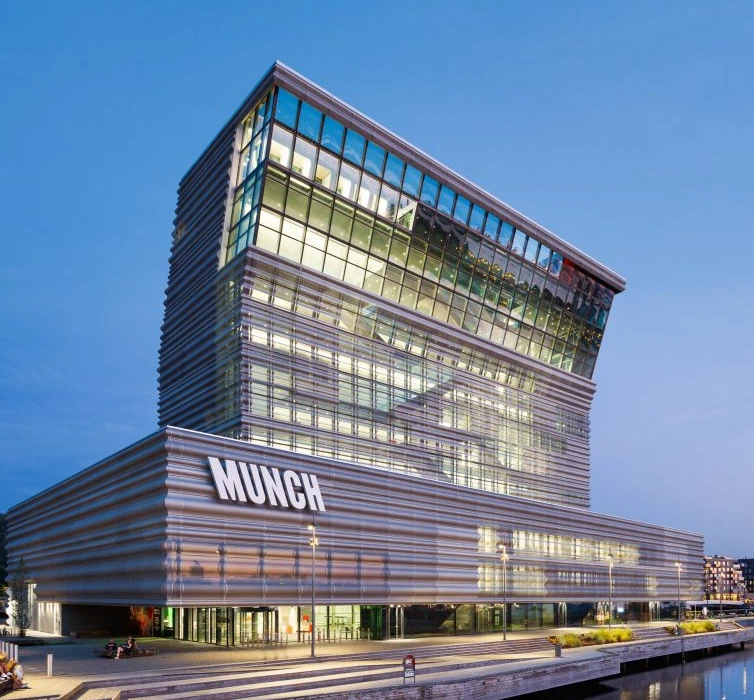
Yo, check it. In Oslo, Norway's capital, right on the bright coast of the Bjørvika district and among the most striking buildings around the newly built Oslo Fjord, a museum housing the works of one of the world's most important artists opened its doors to visitors in 2021: the Munch Museum. This museum, home to Edvard Munch's massive legacy of about 28,000 works, ain't just an art institution. Nah, it's also a unique experience spot that invites you to explore the entire creative universe of a figure who looked deep into humanity's inner world, anxieties, and existential questions. With its 13 floors and super original architecture, Munchmuseet has become Oslo's new symbol, securing a permanent place on both Norway's and the world's cultural agenda. Straight up.
Edvard Munch and How the Museum Came to Be
Edvard Munch was born in 1863 in Løten, Norway. The sickness, poverty, and the pain of losing loved ones early in his childhood deeply shaped his artistic world. Anxiety, death, love, and loneliness were the themes Munch explored in depth throughout his artistic journey. His painting The Scream, completed in 1893, represented the peak of translating humanity's existential shiver into a visual language, making him one of the most recognized artists of the 20th century. With his influence on Symbolist and Expressionist movements, Munch etched his name in art history as one of the architects of modern art. Dope.
Munch donated all his works and artistic legacy to the city of Oslo before his death in 1944. This massive collection was initially displayed in a modest museum opened in 1963 in the Tøyen district. But the size and importance of the works quickly outgrew this space. After years of project development and debate for a new museum, the Bjørvika location was chosen, and the magnificent new building opened its doors in 2021. Big moves.
The Museum's Architecture and Its Design Philosophy
The Munch Museum building is a bold architectural statement that radically adds a new dimension to Oslo's city skyline. Designed by Spanish architect Juan Herreros, the structure, with its 13 floors and upper parts leaning towards the fjord, clearly stands out from other buildings with its horizontal movements. The perforated aluminum panels covering the building's facade create different light reflections at all hours of the day, giving the structure a lively and changing visual identity. From the panoramic windows on the upper floors, you can enjoy 360-degree views of the Oslo Fjord and the city. This experience turns a museum visit into a multi-dimensional spatial exploration. Word.
Inside, the design is totally set up to make Munch's works stand out. Flexible exhibition halls allow for thematic and chronological arrangement of works from different periods, while special climate control systems ensure the preservation of valuable works in the best conditions. For real.
The Depth of the Collection and the Visitor Experience
Munchmuseet, with its 28,000 works, houses one of the world's largest single-artist collections. Paintings, graphics, watercolors, sculptures, and photographs make up the different dimensions of this colossal collection. One of the four versions of The Scream is displayed here. The special security and exhibition setup around this work makes you feel, in the most concrete way, how precious and fragile a world heritage it is. The museum also exhibits Munch's own studio equipment, personal belongings, and his diaries. These elements turn the artist from a legend into a real human being. No cap.
Why It's a Big Deal for Tourism and Culture
Since its opening, the Munch Museum has become one of Oslo's most visited cultural spots. Along with the Oslo Opera House, the National Museum of Norway, and Akershus Fortress, the museum forms the backbone of the cultural tourism axis of Bjørvika and the city center. With global interest in Munch and The Scream, the museum's international appeal grows every year. This huge investment by Norway in art and culture clearly shows that the country holds a strong place on the world stage not only with its natural beauty but also with its intellectual and artistic heritage. Word up.
Date Added: