Mauritshuis - The Hague, Netherlands
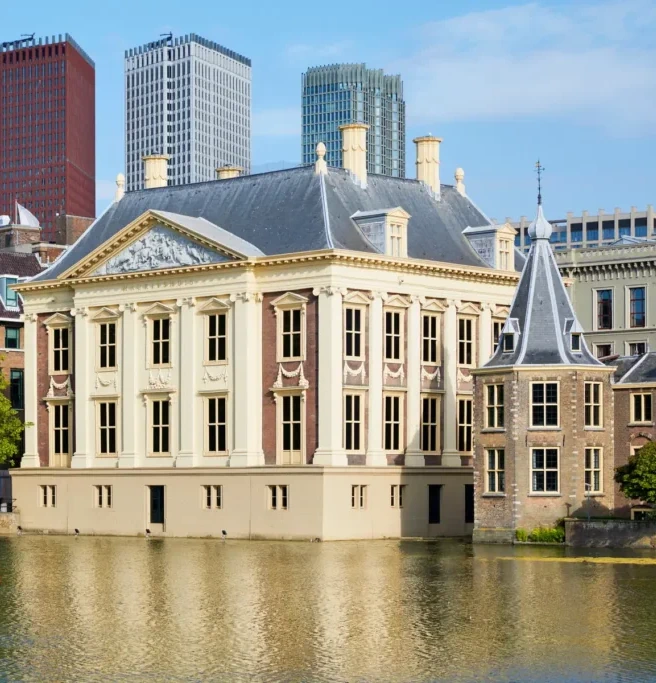
The Mauritshuis is a historic art museum located in The Hague, Netherlands, housing one of the world's most exclusive art collections. Operating within an elegant 17th-century palace, the museum presents visitors with the most brilliant examples of Dutch and Flemish Golden Age painting. With its small but extremely valuable collection, the Mauritshuis has gained great prestige in the international art community as one of the highest-quality museums in the world.
History and Architecture of the Mauritshuis
The Mauritshuis building was constructed between 1636 and 1641 for Johan Maurits van Nassau-Siegen, the Dutch governor of Brazil. Designed by Jacob van Campen and Pieter Post, this rare example of classic Dutch Baroque architecture is situated in the very heart of The Hague, right next to the Binnenhof palace complex. The building served various purposes during the 18th century and was converted into a museum in 1822. Since then, it has been home to the Royal Picture Gallery. During extensive restoration work carried out between 2012 and 2014, the museum was expanded with a modern underground section integrated into the building. This renovation both increased the museum's capacity and preserved the original character of the historic structure.
The Collection: Dutch and Flemish Golden Age
The Mauritshuis collection brings together the pinnacle works of 17th-century Dutch and Flemish art. Consisting of approximately 800 works, this elite collection stands out for the extraordinary quality of each individual piece. Masterpieces by the greatest artists of the period, such as Rembrandt van Rijn, Johannes Vermeer, Jan Steen, Frans Hals, and Paulus Potter, form the cornerstones of the Mauritshuis collection. During the 17th century, known as the Dutch Golden Age, the Netherlands made a great leap forward in art and culture thanks to the wealth obtained from maritime trade. The artistic approach of this period moved away from religious themes to focus on daily life, landscapes, portraits, and still lifes.
Girl with a Pearl Earring: The World's Most Famous Portrait
The most important work that makes the Mauritshuis world-famous is the "Girl with a Pearl Earring," completed by Johannes Vermeer around 1665. Often referred to as the "Mona Lisa of the North," this painting has captured the imagination of millions with its mysterious gaze and captivating composition. Following Tracy Chevalier's novel of the same name and the subsequent film, the painting gained even greater international fame. Measuring only 44.5 x 39 centimeters, this small painting remains the most photographed and visited work in the Mauritshuis.
Masterpieces by Rembrandt
The Mauritshuis is home to several of Rembrandt van Rijn's most significant works. The artist's "The Anatomy Lesson of Dr. Nicolaes Tulp" is among the museum's most valuable pieces. Completed in 1632, this painting depicts Dr. Tulp giving an anatomy lesson on a cadaver. This work by Rembrandt is considered one of the most successful examples of Dutch group portraiture. In addition, various self-portraits by Rembrandt and other important compositions are exhibited in the museum.
Location and Visiting the Museum
The Mauritshuis is located in the very center of The Hague, the political capital of the Netherlands. With its location right next to the Binnenhof complex, where the Dutch parliament is situated, the museum offers a unique atmosphere where politics and art intertwine. Easily accessible from The Hague Central Station by tram or on foot, the museum is approximately 45-50 minutes away from Amsterdam by train. Thanks to its relatively small scale, the entire collection can be seen in an intensive one-hour or a relaxed two-hour visit. For every art lover who admires Dutch and Flemish art and wishes to see the "Girl with a Pearl Earring" in person, the Mauritshuis is a must-visit destination.
The Mauritshuis and the Art of Sculpture
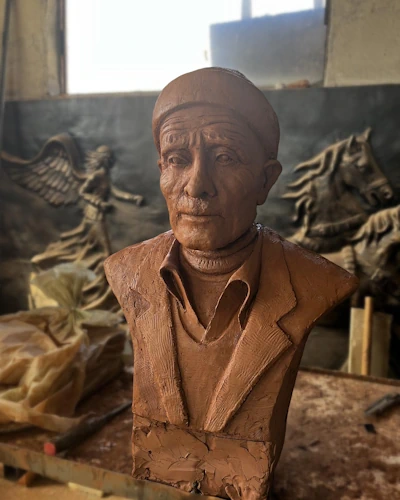
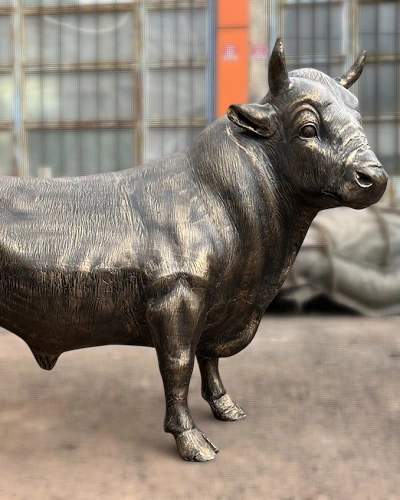
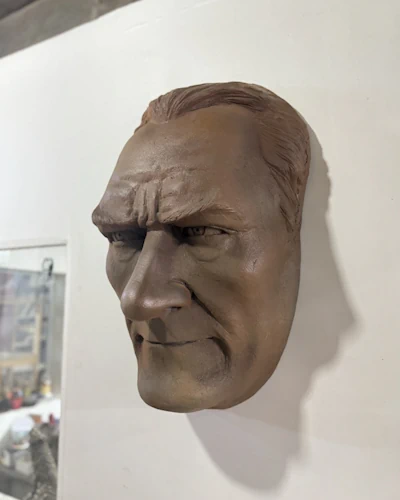
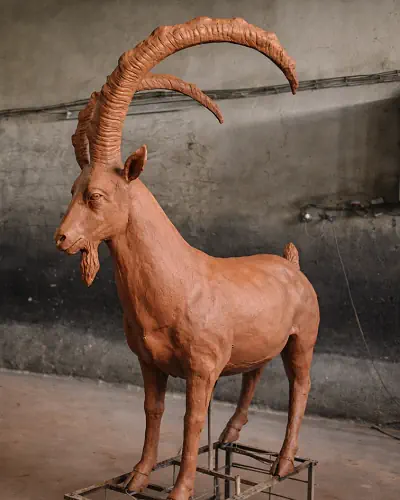
While the Mauritshuis focuses primarily on the art of painting, the museum building itself is an architecturally significant work of art. The architectural details, reliefs, and decorative elements adorning the interior spaces reflect the finest examples of 17th-century Dutch Baroque style. Furthermore, the city of The Hague surrounding the museum is quite rich in public sculptures and artworks. For art and sculpture enthusiasts visiting The Hague, the Mauritshuis is an indispensable part of the city's cultural route.
Date Added: