Francisco Pizarro Statue - Trujillo, Spain
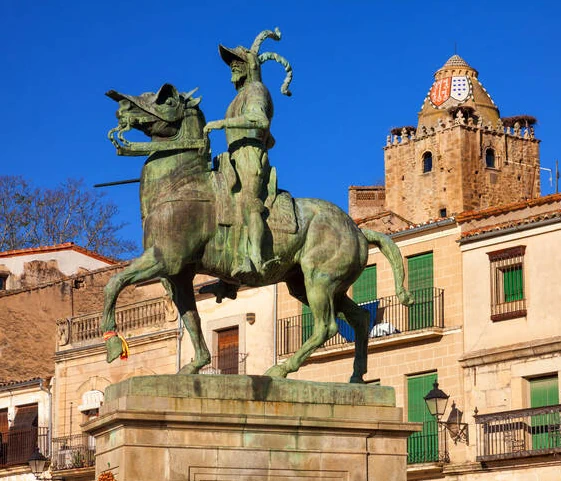
The ancient town of Trujillo, located in the Extremadura region of Spain in the province of Cáceres, is known as the birthplace of a name that left its mark on world history. The Spanish conquistador Francisco Pizarro, who conquered the Inca Empire, was born in this town around 1478. Today, the town is home to a magnificent equestrian monument statue bearing his name, rising right in the center of Plaza Mayor. This statue has become an indispensable stop for history enthusiasts and tourists visiting the region.
The Making and History of the Statue
The Francisco Pizarro statue in Trujillo was designed by American sculptor Charles Cary Rumsey. Following Rumsey's early death, it was his widow who brought the statue to Trujillo; the work was gifted to the town in 1926. As a noteworthy detail, the first copy of the statue was originally made for Lima, the capital of Peru; produced in the early 1930s, this copy was transported to Lima in 1934 and used to represent Pizarro. The statue in Trujillo is the original work gifted to the conquistador's homeland, the town where he was born. The statue's pedestal was shaped using traditional stonework, and the entire monument is positioned right at the center of Plaza Mayor.
Features and Artistic Details of the Statue
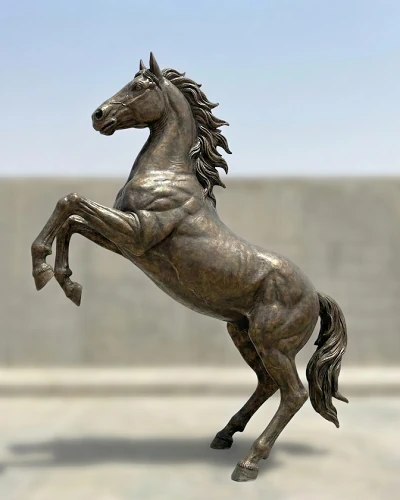
The Francisco Pizarro statue consists of a bronze figure depicted on horseback. Unlike the standing figure of Hernán Cortés in Medellín, this design portrays Pizarro in a dynamic, powerful, and commanding stance. The figure is depicted in full battle armor, with his sword raised. The dynamic posture of the horse and Pizarro's determined gaze lend the work both artistic power and historical weight. Inscriptions relating to Pizarro's name and identity appear on the statue's pedestal. The bronze equestrian statue presents a remarkably striking appearance among the historic buildings that reflect the town's medieval fabric.
Plaza Mayor and Its Surroundings
The statue is located in Plaza Mayor, at the heart of Trujillo. This square is regarded as one of the most beautiful and best-preserved historic squares in Spain. The Gothic and Renaissance-era palaces, churches, and stone structures surrounding the square offer visitors an open-air museum experience. The medieval castle rising directly behind the statue creates a visually stunning backdrop for photography. The cafés and restaurants around the square allow visitors to soak in the historic atmosphere at their leisure. Beyond this monument, the town of Trujillo with the remains of Pizarro's birthplace, various conquistador palaces, and its deep Roman heritage stands as one of the most significant cultural stops in the Extremadura region.
A Contested Legacy
Francisco Pizarro went down in history as the conquistador who brought the Inca Empire to its knees with just 168 soldiers, forever changing the fate of South America. However, this conquest has been the subject of deep controversy for centuries due to the destruction of Inca civilization, the execution of Emperor Atahualpa despite payment of a ransom, and the severe losses suffered by the indigenous peoples. The Pizarro statue in Lima was removed from the main square in 2003 following political pressure; after spending years in storage, it was re-erected in Plaza de Armas in 2025, a decision that was met with protests from dozens of Peruvians. The statue in Trujillo, meanwhile, continues to stand in Plaza Mayor as a source of natural local pride though the debate surrounding Pizarro's legacy remains very much alive today.
Visitor Information
The Francisco Pizarro Statue is located in the center of Plaza Mayor in the town of Trujillo, in the province of Cáceres in Spain's Extremadura region. It is approximately 47 kilometers from Cáceres, the nearest major city, and roughly 90 kilometers from Mérida. As the square is outdoors, it can be visited free of charge in any season; however, spring and autumn stand out as the most suitable periods for exploring Extremadura. Other noteworthy sites in the town include the remains of Pizarro's birthplace, conquistador palaces, and the historic castle.
Date Added: