Christopher Columbus Statue - Spain Barcelona
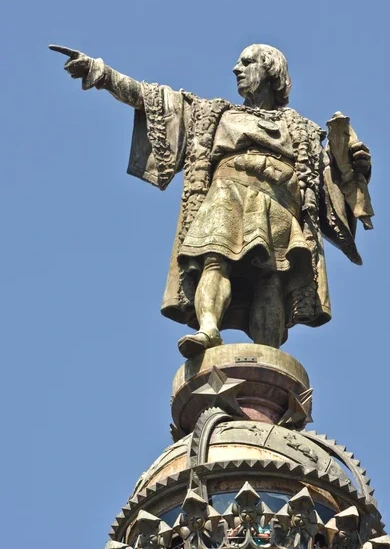
Anyone visiting Barcelona for the first time, walking along La Rambla, will eventually come face to face with the sea and right at that point, in front of the harbor, atop a slender column reaching into the sky, the Christopher Columbus Statue stands. Rising sixty meters and etched into Barcelona's skyline, this figure represents not just an explorer but the ancient courage that changed the course of history. Perhaps that is why it is one of the finest starting points for getting to know the city: the Columbus Statue is like a door one that must be passed through, paused at, and thought about.
Where Is the Columbus Statue and What Kind of Place Is It?
Columbus Monument Barcelona rises at the point where the famous La Rambla meets the sea, right in front of Barcelona Harbor. Known by its Catalan name "Mirador de Colom," the monument is located in the city's busiest and most recognized area. With the sea on one side and the city's historic fabric on the other, it stands like a bridge between two worlds. It is easily reachable on foot along La Rambla, and for those traveling by metro, the nearest stop is Drassanes. The square surrounding the monument is lively at all hours with street performers, open-air events, and vendors. Even so, you will find a moment to stand quietly before the statue and simply look at it.
When and Why Was the Statue Built?
The Columbus Monument was built in 1888 for the Barcelona Universal Exposition to honor Christopher Columbus's first voyage to the New World. The exposition directly paved the way for the monument's construction, and Barcelona turned this grand event into an opportunity to leave a lasting mark at the heart of the city. The bronze statue was created by sculptor Rafael Atché and depicts Columbus standing on a globe, pointing toward America. The statue is set atop a tall Corinthian column whose base is adorned with allegorical figures.
According to historians, Columbus, upon returning to Europe, first set foot on Spanish soil in Barcelona, at a harbor close to where the monument now stands. This historical connection makes the choice of location deeply meaningful. In this way, Barcelona has come to represent both the symbol of the discovery and the gateway through which that discovery returned to Europe.
Who Was Christopher Columbus?
Anyone standing before the statue will sooner or later find themselves asking: who was this man, really? Christopher Columbus was born in Genoa in 1451. His true goal was to reach India and China via a westward route, but fate had other plans. On October 12, 1492, Columbus and his crew landed on one of the islands of the Bahamas. That moment changed the course of European history and threw open the doors of a new age. When Columbus stepped ashore, he believed he had reached China; in reality, the land beneath his feet was an entirely different continent.
Columbus is known to have repeated this voyage four times, reaching different islands and different lands each time. His final years were a sorrowful chapter overshadowed by earlier glory; with the death of Queen Isabella of Spain and the breaking of promises made to him, Columbus lost both power and prestige. He died in Valladolid in 1506. Yet the continent that bears his name remains his greatest monument.
The Details: What Is There Sixty Meters Up?
One of the most fascinating details about the iron statue standing sixty meters tall concerns Columbus's hand gesture. The statue does not actually point toward America but toward an entirely different direction. This small detail has been the subject of jokes and debate among Barcelonans for centuries. Some believe it was a deliberate touch of irony by the creators; others say the wrong direction was set because the weather was overcast on the day the statue was erected.
The statue is decorated with four important figures representing four regions of Spain: the Principality of Catalonia and the kingdoms of León, Aragon, and Castile. The base also features depictions of key scenes from Columbus's voyage along with coats of arms. The pedestal is flanked on four sides by pairs of lion figures, some seated and some in a rising position. This arrangement is thought to symbolize the balance between peace and power.
The elevator inside the statue carries visitors to the very top, offering a breathtaking view of Barcelona. From there it is possible to take in the city, the harbor, and the surrounding attractions from a full 360-degree panoramic perspective. At sunset in particular, this view offers one of the most spectacular moments Barcelona has to give.
Visiting Hours and Practical Information
The Columbus Statue and its observation terrace are open to visitors year-round. There is an elevator inside the column that takes visitors up to the viewing platform at the top, from which they can look out over Barcelona. Admission costs approximately 3 to 5 euros, and closing times vary by season between 18:30 and 20:30. Early mornings and weekdays are the quietest times to visit. Buying tickets online in advance for the observation terrace saves both time and the hassle of waiting in line. Since Barcelona Aquarium, Barceloneta beach, and the historic harbor district are all nearby, a visit to the Columbus Statue can easily be woven into a half-day or full-day itinerary.
Date Added: