Cetshwayo Statue - Ulundi, South Africa
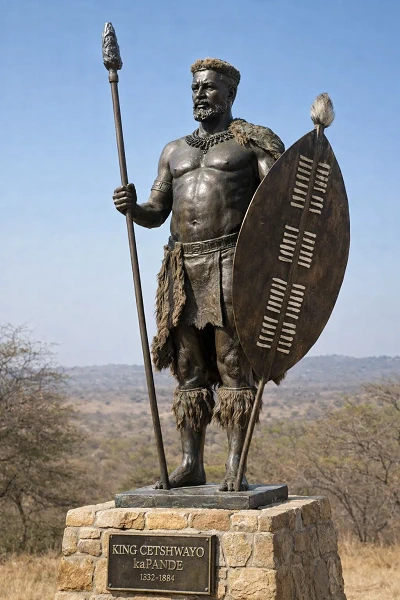
Located in the city of Ulundi, considered the historic heart of Zululand in KwaZulu-Natal province, South Africa, the city preserves the memory of the last independent ruler of the Zulu Kingdom. Cetshwayo kaMpande, who won a historic victory against the British at Isandlwana during the 1879 Anglo-Zulu War and defended the independent Zulu state until the very end, was born in 1826 and reigned until 1884. Today, Ulundi is home to a monument statue at the Ondini Heritage Site, which keeps his legacy alive. This statue has become an indispensable stop for history enthusiasts and tourists visiting the region.
Construction and History of the Statue
The Cetshwayo statue is located at the Ondini Heritage Site in Ulundi. Ondini is the name of the royal capital founded by Cetshwayo, which was burned and destroyed by the British during the Battle of Ulundi on July 4, 1879. Today, a museum, excavation remains, and Cetshwayo's statue stand together on this historic site. The Cetshwayo statue, created by the same sculptor Naomi Jacobson, was brought to life as part of South Africa's heritage projects of the era, alongside figures such as Steve Biko and Shaka. Jacobson shaped the statue through dialogue she established with the Zulu royal family.
Features and Artistic Details of the Statue
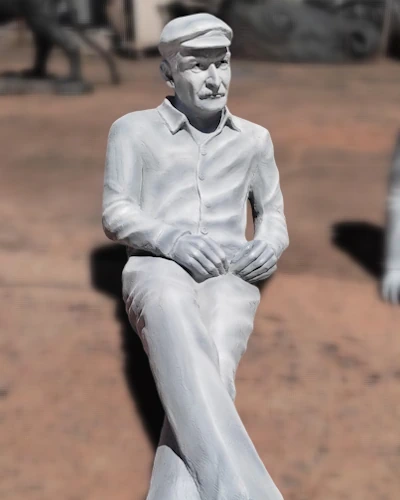
The Cetshwayo statue at the Ondini Heritage Site depicts the last independent Zulu King in a dignified and powerful stance. Cetshwayo is described in historical records as a ruler of imposing physical stature, standing approximately 2 meters tall — a characteristic reflected in the statue as well. The monument area is also surrounded by archaeological remains from Ondini's 19th-century royal village and museum exhibitions. The museum also displays the remains of the wagon used to carry Cetshwayo's body, an object considered among the most poignant artifacts of Zulu history.
Ondini Heritage Site and Surroundings
The statue and museum complex are located in the city of Ulundi in KwaZulu-Natal province, South Africa. Ondini once served as the political and cultural center of the Zulu Kingdom. Near the site is also the historic battlefield where the Battle of Ulundi took place on July 4, 1879. This battle was the final major engagement in which the British decisively defeated the Zulu forces and Cetshwayo lost his throne. The Zululand region, together with Isandlwana, Rorke's Drift, and other battlefields, offers visitors interested in the 1879 Anglo-Zulu War the opportunity for a comprehensive history tour.
The Legacy of Cetshwayo
Cetshwayo kaMpande ascended to the throne following the death of his father, King Mpande, in 1872. Refusing to accept the ultimatum imposed by the British and declining to disband his army, Cetshwayo paid the price for this stance with the Anglo-Zulu War of 1879. The war began with the battle in which Zulu forces routed the British at Isandlwana, inflicting one of the heaviest defeats the British army had ever suffered in Africa. However, the British returned with a larger force; following the burning of Ulundi, Cetshwayo lost both his throne and his freedom. Exiled first to the Castle of Good Hope in Cape Town and then to London, Cetshwayo won public sympathy through the respect and esteem he received there. Returning to his homeland in 1883, Cetshwayo passed away in Eshowe on February 8, 1884. Remembered in history as the last ruler of the independent Zulu Kingdom, Cetshwayo is honored today both in South Africa and around the world.
Visitor Information
The Cetshwayo Statue and Ondini Heritage Site are located in the city of Ulundi in KwaZulu-Natal province. Ulundi is approximately 280 kilometers from Durban and approximately 110 kilometers from Richards Bay. The museum and monument site are open to visitors during specific hours and charge an admission fee. For those interested in the history of the 1879 Anglo-Zulu War, planning a route covering Ulundi and the surrounding battlefields is strongly recommended.
Date Added: