Bartolomeu Dias Statue – South Africa Mossel Bay
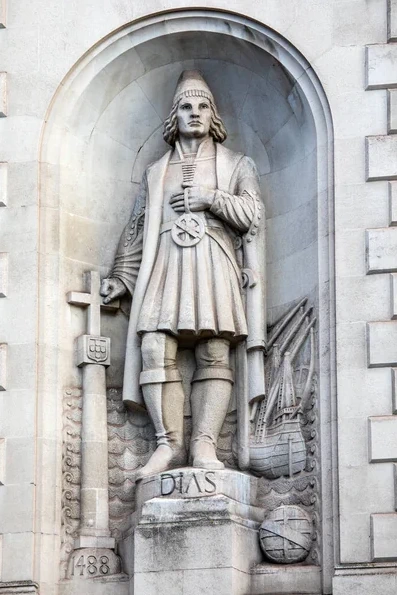
Located in South Africa's Western Cape province, the town of Mossel Bay known for its breathtaking coastline and tranquil bay was the setting for one of the most pivotal moments in the history of world seafaring. Portuguese explorer Bartolomeu Dias, the first European sailor to round the southern tip of the African continent and enter the Indian Ocean, dropped anchor in this bay on 3 February 1488. Today the town is home to a monument and museum complex that keeps his historic discovery alive. This landmark has become an unmissable stop for history enthusiasts and tourists visiting the region.
Construction and History of the Museum Complex
The Bartolomeu Dias Museum Complex in Mossel Bay was established to commemorate Dias's historic landing in 1488. The most striking feature of the complex is a full-scale replica of the caravel used by Dias and his crew. This replica vessel was built in Portugal in 1988 exactly 500 years after the original voyage and sailed all the way to Mossel Bay. The journey symbolically re-enacted Dias's original route and was welcomed with a grand ceremony. Upon the ship's arrival, its mast and sails were removed and the vessel was brought inside the museum to form the centrepiece of the current exhibition. The complex also houses a historic granary built by the Dutch East India Company (VOC) in 1788.
Another fascinating feature of the complex is the historic tree recognised as Africa's oldest post office. In 1500, a ship belonging to Cabral's fleet became separated along the east African coast, put in at Mossel Bay to take on water, and left a letter tucked inside a sailor's shoe tied to this tree. The centuries-old tree still stands today and remains one of the complex's most symbolic focal points.
Features and Artistic Details of the Monument
The monument honouring Bartolomeu Dias forms a cohesive whole with the museum complex's seaside setting, reinforcing the historic atmosphere throughout. The full-scale caravel replica at the heart of the complex is the most striking element, offering visitors a vivid sense of the gruelling sea voyages of the 15th century. Visitors can board the caravel and examine the layout of the deck, the materials used, and the period-accurate rigging up close. The surrounding exhibition areas display maps, documents and period artefacts relating to the Portuguese navigators' exploration of the African coastline. The complex also includes a Shell Museum and an Aquarium, catering to visitors with an interest in natural history.
The Bartolomeu Dias Area and Its Surroundings
The museum complex is situated along the Mossel Bay waterfront, very close to the spot where Dias came ashore in 1488. Surrounding the complex are various beaches and walking trails, most notably Diaz Beach. The nearby Cape St. Blaize Lighthouse offers panoramic views of the coastline. Mossel Bay is one of the most popular stops on the Garden Route, thanks to its rich historic heritage, clean beaches and mild climate. The town also offers additional points of interest such as the Shark Lab and the Point of Human Origins archaeological site, all of which together provide a comprehensive picture of the region's natural and human history.
A Contested Legacy
Bartolomeu Dias departed from the Tagus River in August 1487 on the orders of King João II of Portugal, pressing southward along the African coastline with three ships and their crews. In January 1488, violent storms drove his fleet out into the open ocean; this forced change of course proved to be an unexpected success, carrying Dias past the southern tip of Africa without his realising it. Anchoring in what is now Mossel Bay then named São Brás Bay on 3 February 1488, Dias made contact with the indigenous Khoikhoi people; however, this first encounter was overshadowed when a misunderstanding led to the death of a Khoikhoi man. Dias's discovery laid the foundation for the maritime trade route that ended Europe's dependence on overland routes through Ottoman territory to reach Asia. Dias himself died on 29 May 1500, lost at sea in a storm near the Cape of Good Hope while accompanying Pedro Álvares Cabral's fleet on a subsequent expedition.
Visitor Information
The Bartolomeu Dias Museum Complex is located on the waterfront of Mossel Bay town, in South Africa's Western Cape province. The museum is open daily from 09:00 to 16:45, with different ticket prices available for adults, children and pensioners. On-site facilities include a café, a gift shop and wheelchair-accessible arrangements. Mossel Bay lies approximately 400 kilometres from Cape Town and, situated along the Garden Route, stands out as an essential stop on South Africa's most celebrated touring circuit.
Date Added: